
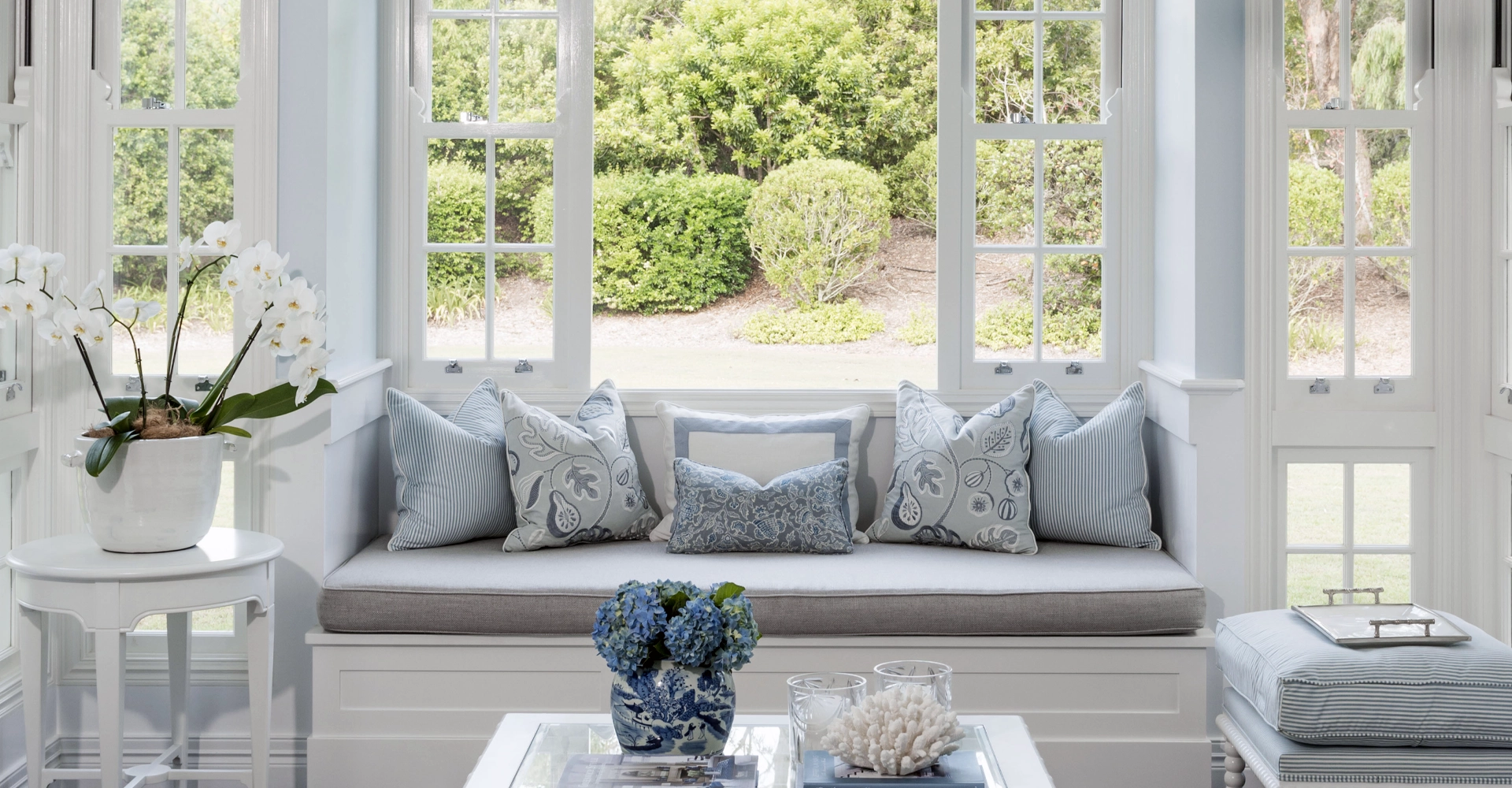
Sunroom Builder in Point Pleasant, NJ
Gambrick Construction is a custom sunroom builder based in Point Pleasant, NJ, serving Ocean County and Monmouth County for over 40 years. We build 3-season sunrooms, 4-season sunroom additions, and screened-in porches. No prefab kits or bolt-together panels. Every room is stick-framed on a real foundation and built to current NJ Building & Energy Code.
Building a sunroom at the Jersey Shore is harder than most homeowners think. Salt air eats ordinary screws in two summers. Coastal winds push glass panels until weak seals fail. Near the water in Bay Head, Mantoloking, or the Chadwick Beach section of Lavallette, FEMA flood maps and CAFRA (the state’s coastal permit program) decide what you can build before a single board gets cut.
Here’s what we spec on every coastal build:
- Type 316 Stainless Steel Fasteners: Marine-grade alloy that won’t rust in salt air.
- Low-E Insulated Glass: Blocks summer heat and holds winter warmth.
- AZEK PVC Trim & Columns: Cellular PVC that won’t rot, warp, or need repainting.
- Simpson Strong-Tie Stainless Connectors: Structural hardware rated for marine environments.
Builds typically run 4 to 6 months from permit to final inspection, longer if CAFRA review is needed. You get a fixed-price contract, weekly progress updates, and a written workmanship warranty. Gambrick is fully licensed and insured in New Jersey (NJ HIC #13VH10907000, New Home Builder Reg #51766). Design, permits, framing, glazing, electrical, HVAC, and finish all run in-house.
We’ve built hundreds of sunrooms and screened porches across Point Pleasant Beach, Bay Head, Mantoloking, Manasquan, Spring Lake, Sea Girt, Brick, Lavallette, Toms River, and Wall Township. Whether it’s a breakfast nook inland or a screened porch over the Manasquan River, we’ve probably built something like it nearby. Call (732) 892-1386 for a free on-site consultation and a straight answer on what your lot can support.
Types of Sunrooms We Build in NJ
We design and build three primary sunroom types at the Jersey Shore: 3-season sunrooms, 4-season sunrooms, and screened-in porches. We also convert existing covered porches into any of the three. Every room is custom stick-framed on-site. No bolt-together kits. The finished space integrates with your roofline, siding, and interior finishes, not bolted onto the back of the house.
3-Season Sunrooms
A 3-season sunroom is built for use from April through October. That covers the full Jersey Shore season plus a few weeks on either side. These rooms use insulated framing, single-pane or lightly insulated glass, and standard roof construction, but no permanent heating or cooling.
You get a bright, weather-protected space at a fraction of the cost of a 4-season build. With a portable heater or ceiling fan, most homeowners stretch use into November and March. Typical build time runs 4 to 6 months from permit approval.
3-season rooms are the most popular choice for shore homes used primarily in warmer months. They work for morning coffee on Barnegat Bay in Mantoloking, a reading nook in the Inlet section of Point Pleasant Beach, or a casual dining space in the Herbertsville section of Brick Township. Because they don’t require HVAC extensions or full-code conditioned-space compliance, they’re faster to permit and build than a 4-season addition.
4-Season (All-Season) Sunrooms
A 4-season sunroom is sometimes called an all-season room. It’s engineered for year-round use in every kind of NJ weather. We build these as true conditioned living spaces with insulated walls, floors, and roof. They include low-E double- or triple-pane windows, integrated HVAC tied into your existing system or serviced by a dedicated mini-split, and frost-protected or helical pile foundations, depending on your lot and flood zone.
Because a 4-season room meets full NJ Energy Code and IRC (International Residential Code) requirements, it counts as conditioned square footage for appraisals and resale value. It’s the right choice if you want a home office, a year-round dining room, or added living space. Especially in waterfront towns like Bay Head, Mantoloking, Spring Lake, and the Sea Girt beachblock area, where homeowners want the view without sacrificing warmth in January.
Screened-In Porches
A screened-in porch is the simplest and most affordable of the three. It’s a roofed, screened outdoor room that keeps out mosquitoes, greenflies, and wind-blown sand while letting the ocean breeze through. We build screened porches with structural cedar, mahogany, or pressure-treated framing, fiberglass or aluminum screen systems (including Screen Tight and SCREENEZE), tongue-and-groove ceilings, and trim that ties cleanly into your existing architecture.
For exterior finishes, we spec materials built for salt air and freeze-thaw cycles:
- AZEK PVC Trim & Decking for fascia and columns that never rot or need repainting.
- James Hardie Fiber Cement Siding for skirting and knee walls that resist moisture, insects, and coastal wind.
- CertainTeed Premium Vinyl Siding for a color-matched, low-maintenance finish that ties into the rest of the house.
All three are standard specs on our screened porch builds because they outlast standard wood by decades in coastal conditions.
Screened porches are the top pick in Manasquan, Brielle, and the Sea Girt shore neighborhoods where homeowners want a summer-evening space that still feels like part of the yard. We can also design them with future convertibility in mind. That means sizing the framing, foundation, and roof so you can enclose the space into a 3-season or 4-season sunroom later without tearing anything down.
Porch Enclosures & Conversions
If you already have a covered porch, we can enclose it into any of the three sunroom types above. Porch conversions are usually 20 to 40% faster and less expensive than new construction because the roof and foundation are already in place.
We always start with a structural assessment first. Older shore-home porches were often built with undersized framing, sloped floors, or foundations that weren’t designed to carry a conditioned room. We evaluate what’s there, tell you honestly what’s reusable, and quote the conversion based on the actual structure, not optimistic assumptions.
Our Custom Sunroom Construction Process
Building a permanent addition at the Shore requires serious planning. While township permit reviews and coastal weather dictate the final timeline, the actual construction phase follows a strict, predictable path. Here is exactly what happens from the first handshake to the final inspection.
1. On-Site Assessment & Structural Review
The project starts at your kitchen table. Before sketching any plans, our crew inspects your exterior walls, property lines, and existing roof structure. Local township zoning rules affect the initial design, specifically your impervious surface limits (the percentage of your lot that can legally be covered by structures). Finding hidden issues early, like undersized existing footings or rot in the band joist, prevents expensive mid-project surprises.
2. Custom Design & Material Selection
A sunroom should look like original construction, not an aluminum box stuck to the back of your house. The design phase locks in your roofline pitch, window layouts, and architectural style. A sunroom built in Bay Head should look different than one in Brick or Lavallette, because each town has its own aesthetic and preferred materials.
You select the exact glass packages, interior flooring, and exterior finishes required to match your home perfectly. Once the visual details are set, our in-house team drafts the structural blueprints.
3. Architectural Engineering & Coastal Permitting
Township permitting is the biggest variable in coastal construction. Our team handles the entire submittal process in-house. Engineering must meet strict wind-load standards. If your home sits on the water in Mantoloking or Bay Head, strict CAFRA (Coastal Area Facility Review Act) paperwork and V-Zone flood map compliance come into play. CAFRA reviews and local zoning variances dictate the schedule, which is why the permit timeline gets mapped out clearly before you sign a contract.
4. Site Prep & Foundation Work
Before any heavy dirt moves, temporary walls and heavy-duty dust barriers seal off your home from the construction zone. Because coastal soils vary wildly from inland Brick Township to oceanfront Lavallette, the foundation gets engineered specifically for your exact lot:
- CMU Block Foundations: For standard properties on solid ground, deep, frost-protected concrete footings carry traditional masonry block foundation walls.
- Spread Footings: For the looser, sandy soils found near Barnegat Bay, wider concrete footings get poured to safely distribute the heavy weight of the glass walls so the room never settles.
- Timber Pilings & Helical Piles: If the property sits directly on the beach or in a V-Zone flood map, heavy timber pilings or steel helical piles (heavy shafts screwed deep into the earth using hydraulic machinery) get driven past the sand into solid, load-bearing soil to survive severe coastal washouts.
5. Stick-Framing & Weatherproofing
Our carpentry crew frames the sunroom on-site using heavy dimensional lumber. The structure locks together with Simpson Strong-Tie marine-grade stainless connectors. Engineered lumber or steel beams carry the wide roof spans over the glass, so your windows never bow or bind over time.
Once framed, the exterior gets sheathed with ZIP System panels. Unlike traditional plywood covered in standard house wrap, these structural panels feature an integrated, taped weather barrier. This creates a completely airtight thermal envelope that blocks driving ocean rain and winter nor’easter winds. Finally, the custom Low-E glass windows and doors get installed and flashed.
Velux solar-powered skylights integrate directly into the roof structure during this phase. These venting models run entirely on solar power, meaning no hardwiring is required. To keep the room from turning into a greenhouse under the intense Shore sun, they feature Low-E3 laminated glass to block heat gain. They also include built-in rain sensors that automatically snap the glass shut the second a sudden coastal squall rolls in. For maximum sun management, solar-powered room-darkening blinds can be built directly into the unit.
6. Exterior Finishes & Coastal Protection
Once the structure is completely watertight, the exterior crew takes over to make the new room look original to the house. AZEK PVC trim covers the fascia and corners so they never rot or require painting. For the walls, we install cedar, color-matched premium vinyl, or James Hardie fiber cement siding so the addition matches your existing home.
The roofline gets shingled with GAF architectural-grade asphalt shingles and heavily flashed to integrate with your existing roof. If you prefer metal, we install standing seam metal roofing panels engineered to withstand 120+ mph hurricane winds.
To manage heavy coastal rain, seamless aluminum or copper gutters and leaders are installed and tied directly into your home’s drainage plan. Exterior lighting, waterproof outlet covers, security cameras, and smart home systems go in last to finish the exterior.
7. Mechanicals, Insulation & HVAC
While the exterior gets finished, the inside mechanical work begins. To make a 4-season room comfortable year-round, thick mineral wool (Rockwool) insulation batts fill the floors, walls, and ceilings. Mineral wool is standard on our coastal builds because it is naturally moisture-resistant, fire-resistant, and never slumps over time. This guarantees your thermal envelope stays completely sealed in our damp, salt-air environment.
For climate control, the sunroom either ties directly into your existing ductwork or receives a dedicated, high-efficiency mini-split HVAC system (a ductless heating and cooling unit). A mini-split provides independent temperature control so the new square footage doesn’t overload your home’s main furnace.
If you want to use the space during a freezing January nor’easter, gas or wood-burning fireplaces are a highly requested addition. Finally, electricians pull the rough wiring for your custom recessed lighting, ceiling fans, and smart home integration.
8. Interior Finish & Final Inspections
The transition between your main house and the new sunroom sets the tone. Custom pocket doors or glass French doors get installed to separate the spaces while keeping sightlines open. Overhead, the framing gets finished with custom coffered ceilings, natural wood planks, or classic coastal shiplap. Carpenters then install any built-in cabinetry and custom shelving to match your home’s existing millwork.
Walls get coated with premium Sherwin Williams paint. A satin or eggshell finish is standard to handle the intense, direct coastal sunlight without creating a harsh interior glare.
Luxury Vinyl Plank (LVP) and porcelain tile easily handle wet feet from the pool or sandy trips back from the beach. For a high-end traditional look, real wood flooring or natural stone tile gets laid to match your existing interior.
Finally, the local building department conducts the final inspections. Once the town signs off, a final walkthrough verifies every detail. You receive your written workmanship warranty, and the room is yours to enjoy.
2026 Sunroom Cost Guide for Ocean & Monmouth County
Let’s talk numbers. Most builders hide their pricing until they get to your kitchen table. We don’t.
However, you need to understand that the numbers below are a very rough guide. Every single coastal build is totally different. A simple screened-in porch inland costs vastly different than a 4-season sunroom addition sitting on the water. The size of your addition also heavily dictates the final price. Your exact quote depends on your township’s engineering codes, the foundation type your soil requires, your total square footage, the windows and doors, and the luxury finishes you choose.
Use these baseline ranges to set a realistic budget for a custom, stick-framed build.
Screened-In Porches: $35,000 – $65,000+ ($150 – $250+ per sq. ft.)
This is the baseline for a custom outdoor room. The cost covers structural framing, standard concrete footings, rot-proof exterior trim, and premium screen systems. If you want a basic 150-square-foot wood frame on a simple concrete slab inland, you sit at the lower end. If your design calls for a massive 400-square-foot footprint with coffered ceilings, fiberglass columns, and composite decking directly on the waterfront, you move to the higher end.
3-Season Sunrooms: $55,000 – $95,000+ ($250 – $400+ per sq. ft.)
This tier introduces heavy glass packages and full weatherproofing. The price jump from a screened porch comes from the custom windows, structural wall panels, and upgraded roof engineering required to carry the massive weight of the glass. This budget range assumes standard spread footings with a block foundation and no permanent HVAC integration. A cozy 12×12 space keeps costs down, while a sweeping 20×20 entertaining room pushes the budget up.
4-Season Sunrooms & Additions: $95,000 – $180,000+ ($400 – $650+ per sq. ft.)
A 4-season room is a true home addition. You’re paying for full NJ Energy Code compliance. This budget includes Rockwool insulation, a dedicated mini-split HVAC unit, Low-E insulated glass, upgraded trim, skylights, and interior finishes like wood flooring and custom electrical work. Because it requires full structural conditioning, square footage drastically drives this cost. If you build a large footprint requiring timber pilings driven deep into the sand, or if we have to work through a six-month state coastal review, expect to hit the top of this range.
The “Hidden” Coastal Upgrades
When you look at our quotes, you’re paying for coastal survival. Inland contractors often quote lower prices because they ignore the engineering realities of the Jersey Shore. Here is what actually drives the cost of a high-end build:
- Foundation Engineering: Pushing a standard footing to a spread footing or helical pile system adds $10,000 to $20,000+ to the budget before a single wall gets framed.
- Wind-Load Glass: Standard inland windows fail during winter nor’easters. We only use premium windows engineered to withstand higher winds near the coast.
- Permitting Soft Costs: Time is money. Waterfront variance applications, land surveys, and state environmental reviews add unavoidable soft costs to the total project.
- Hurricane Protection: We use Simpson Strong Tie hurricane-rated fasteners for wind uplift, 316-stainless steel hardware to prevent rust, and engineered LVL or steel beams for structural integrity.
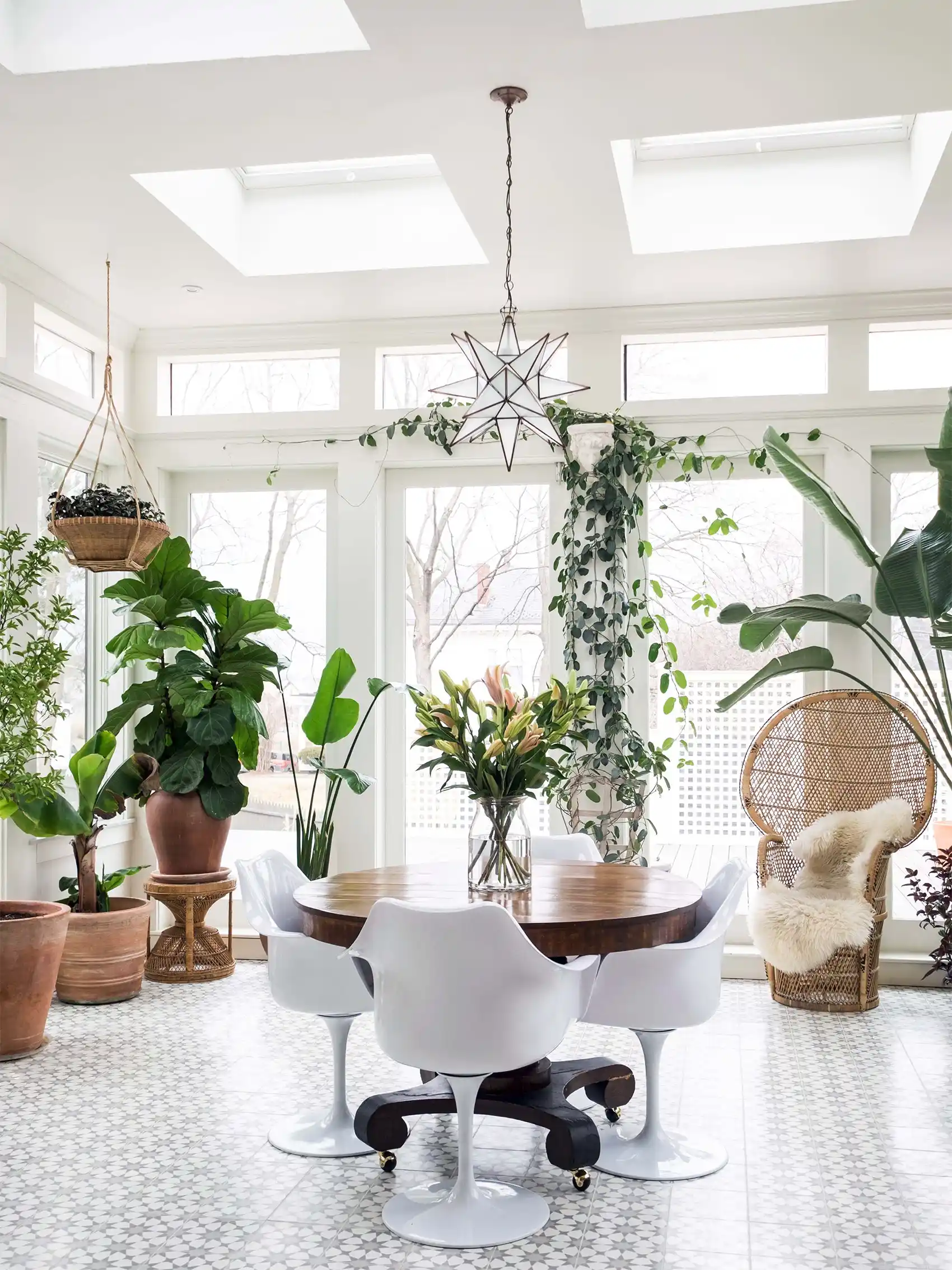
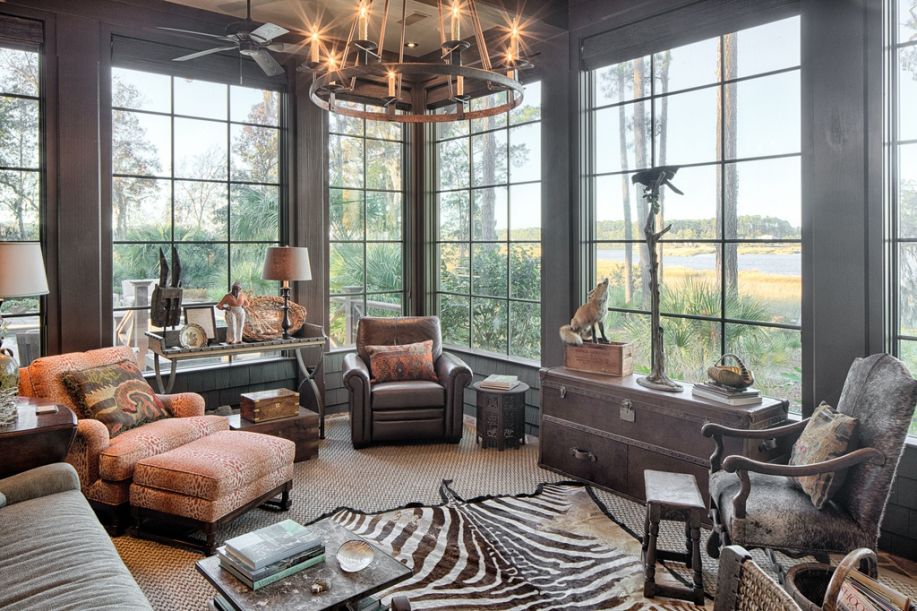
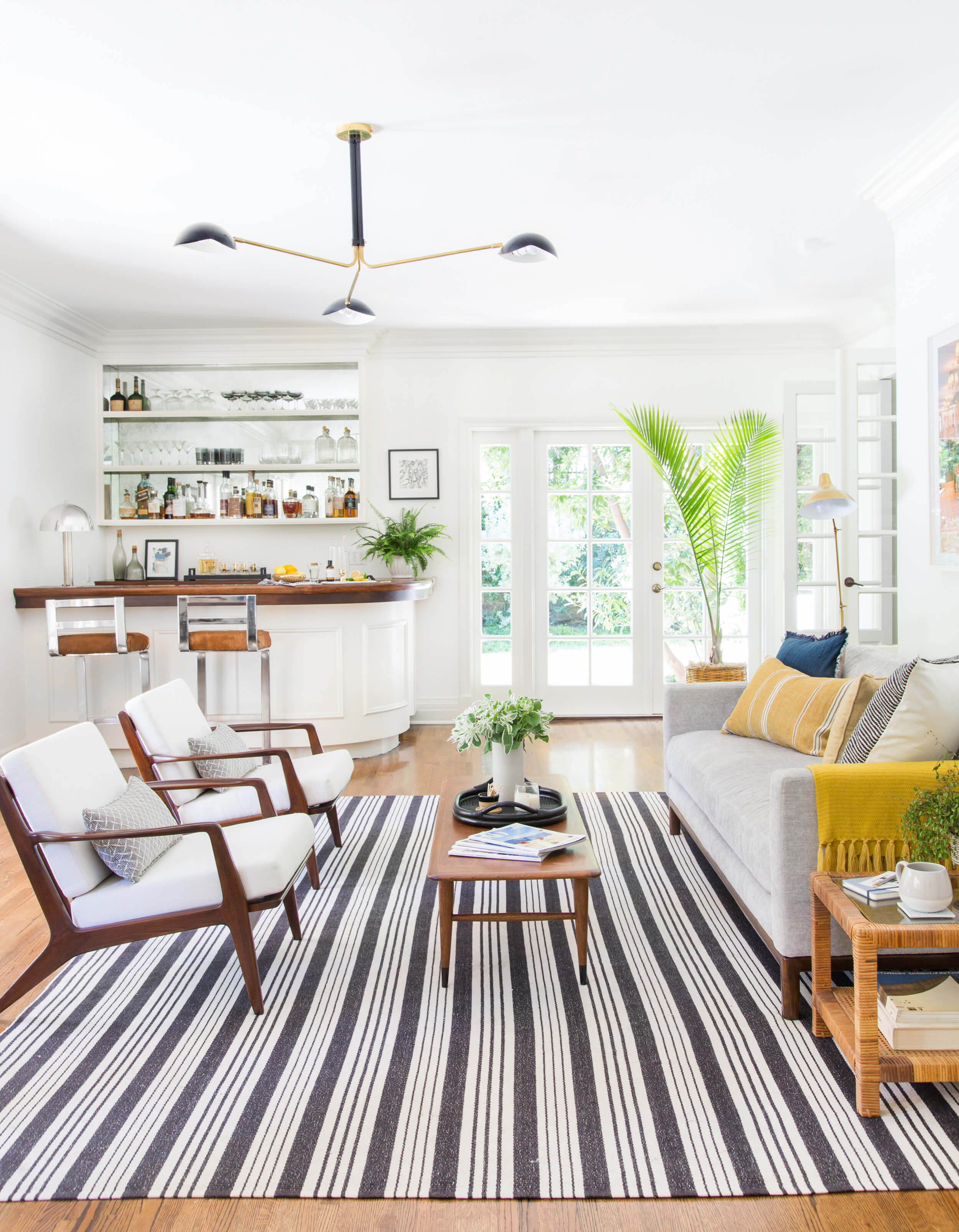
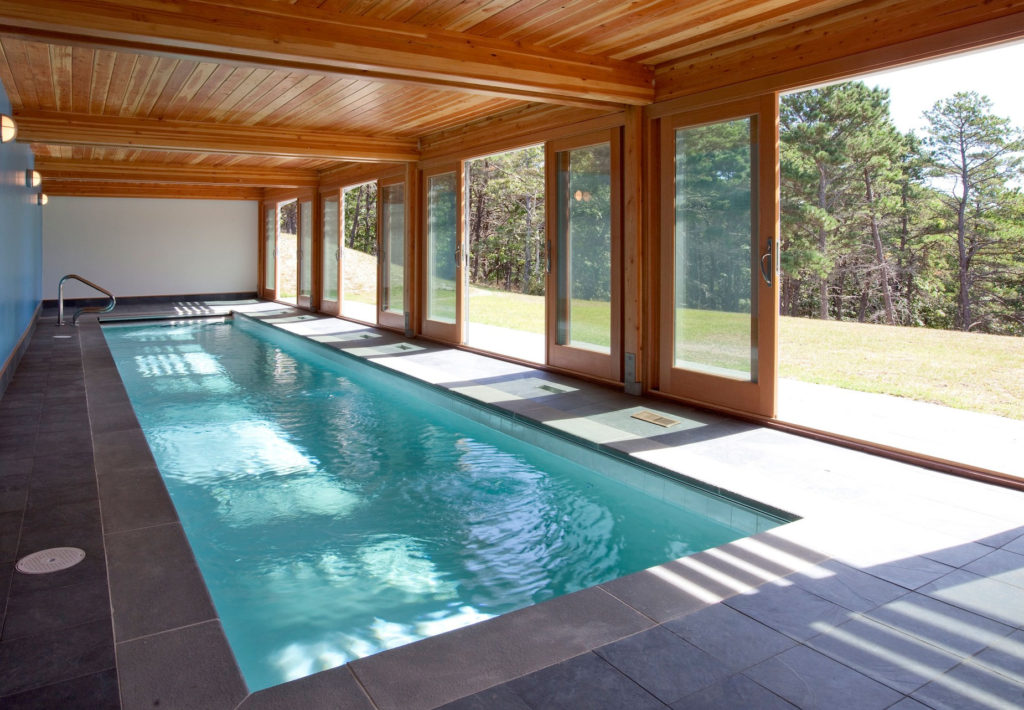
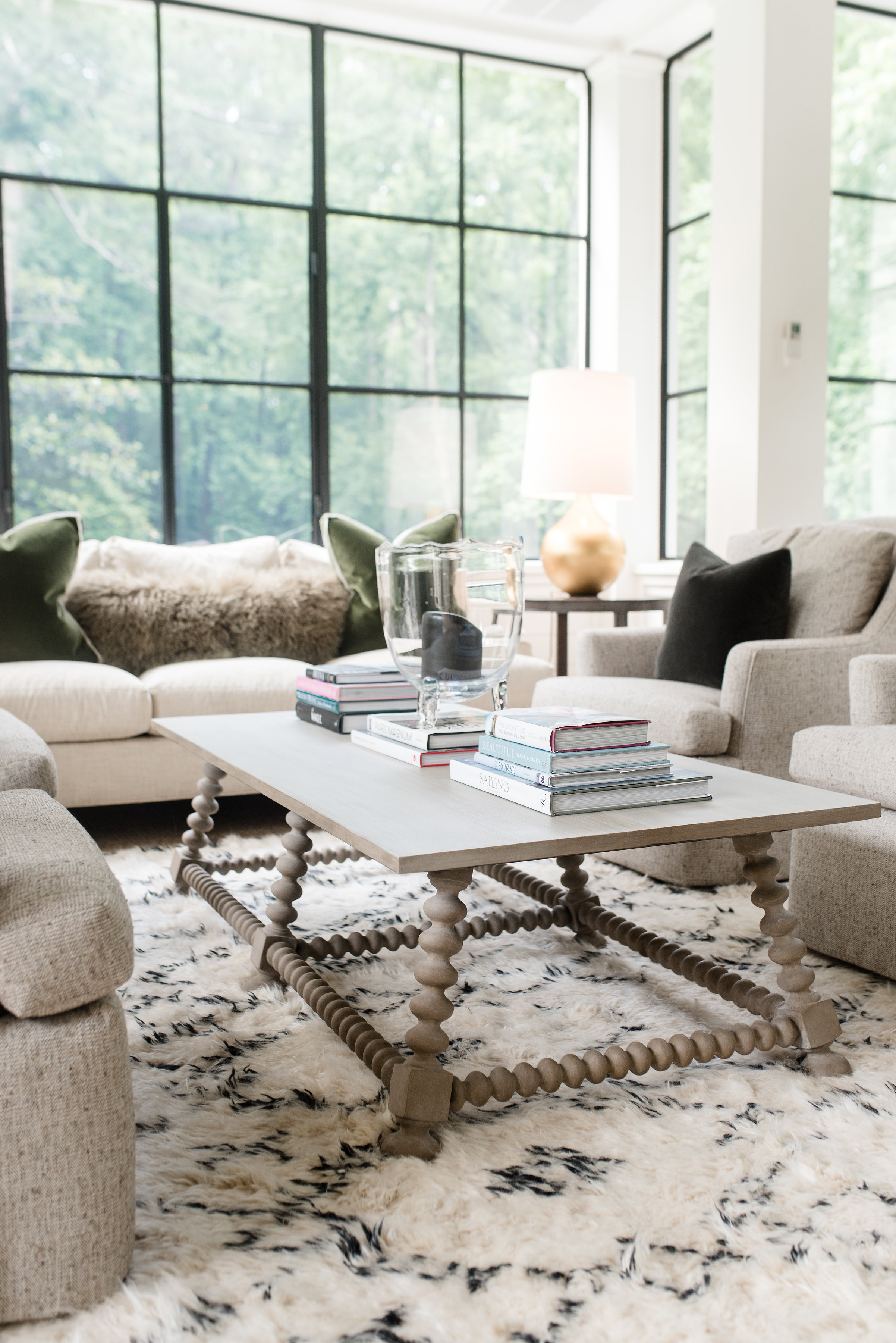
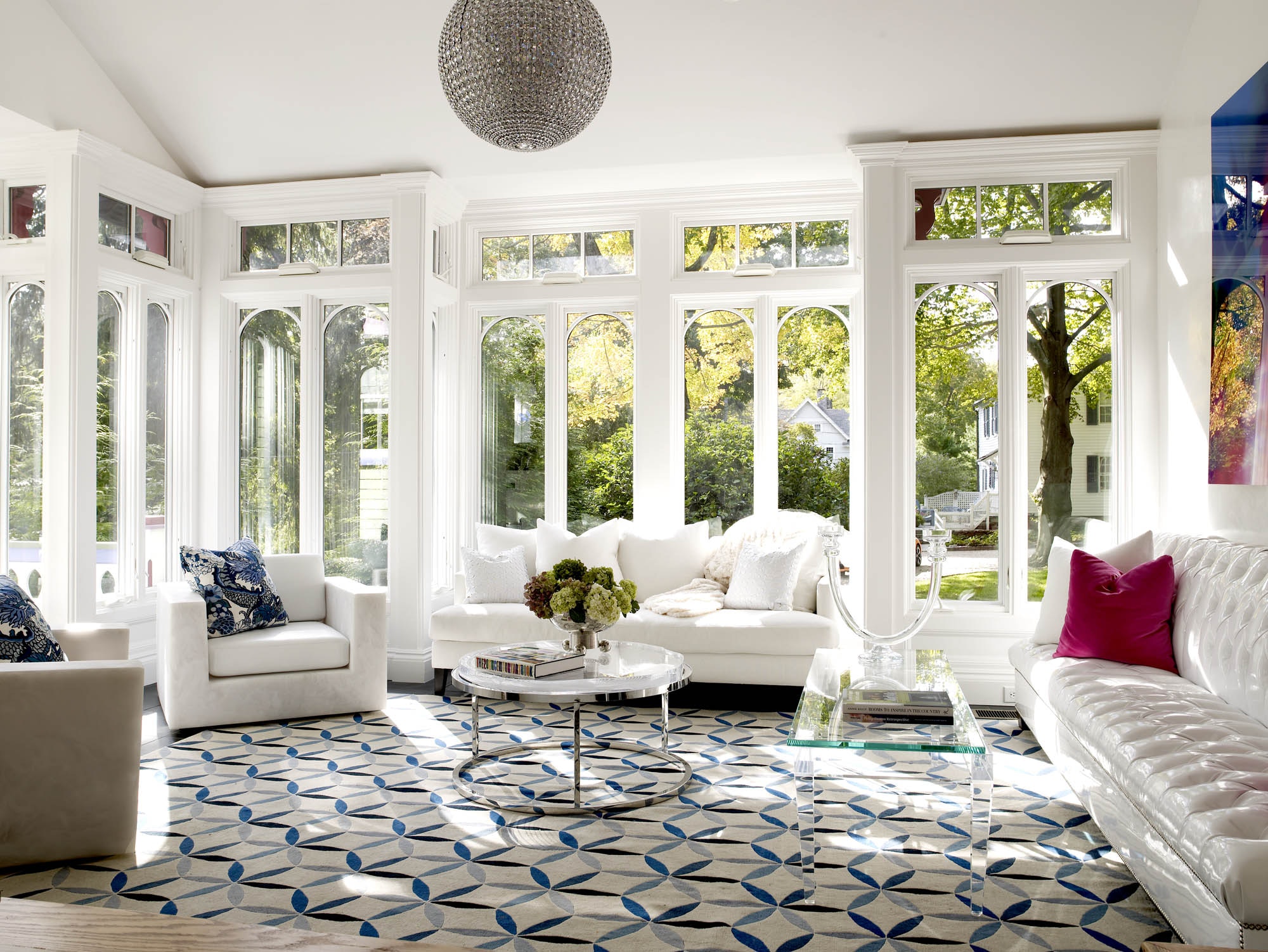
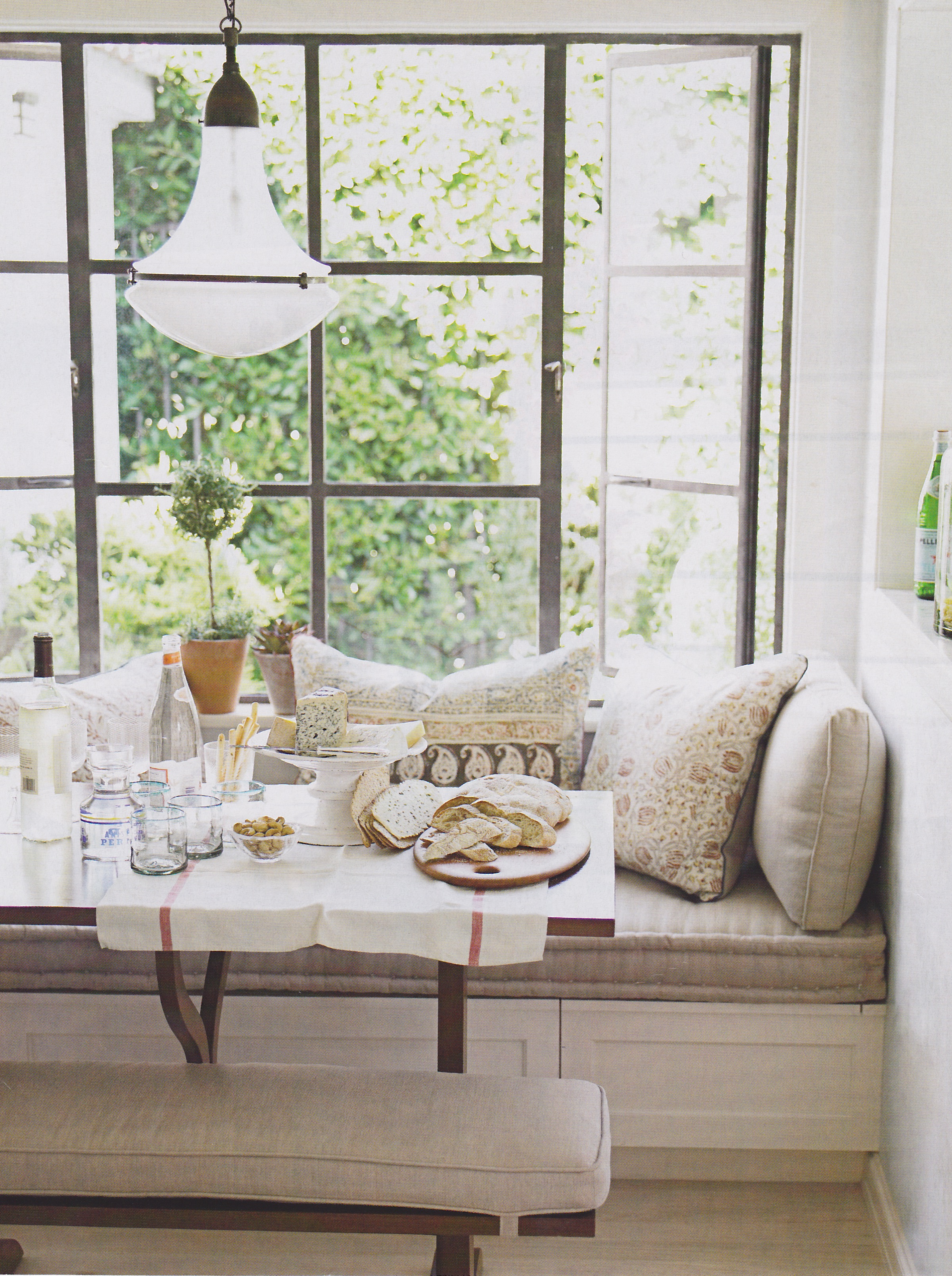
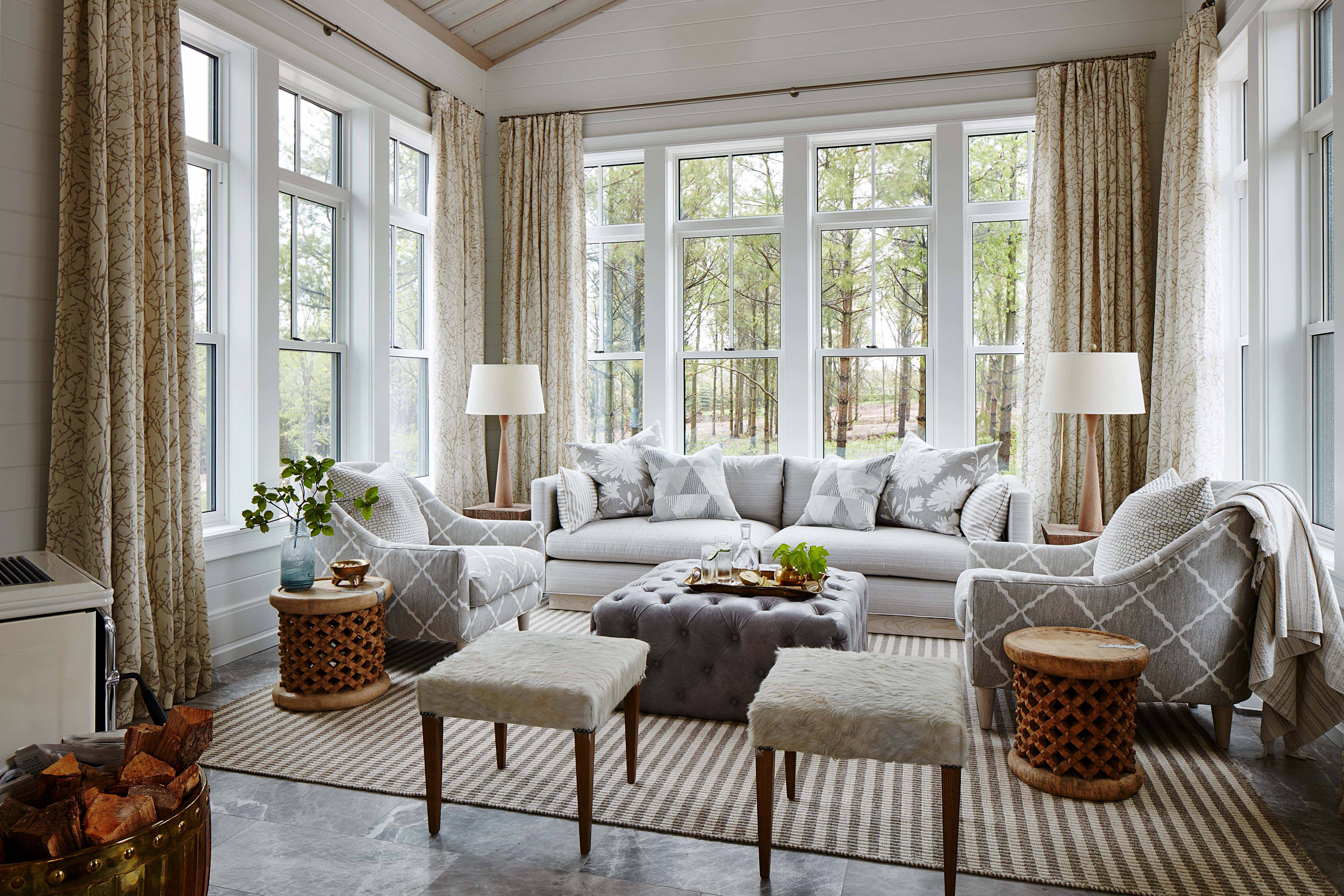
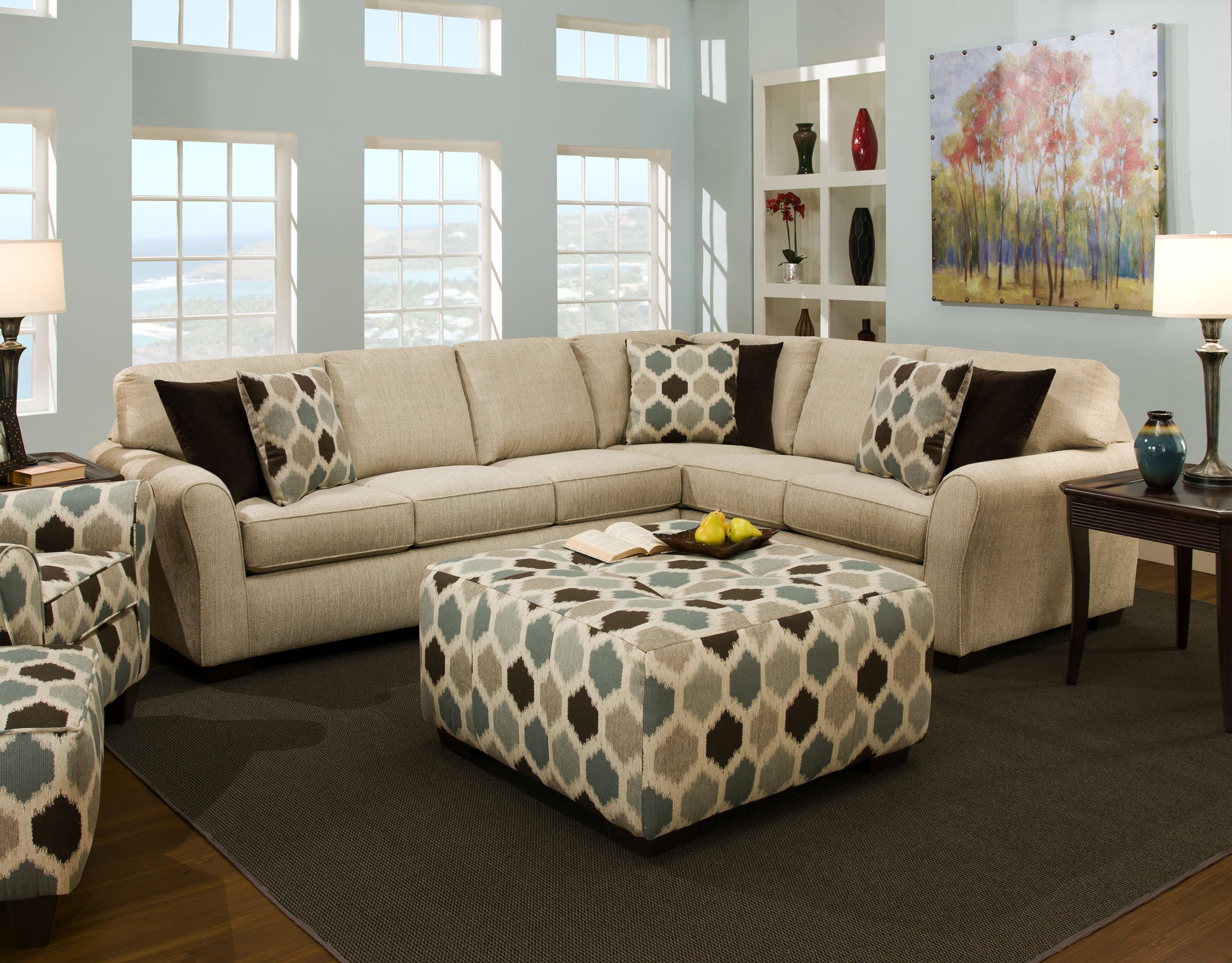
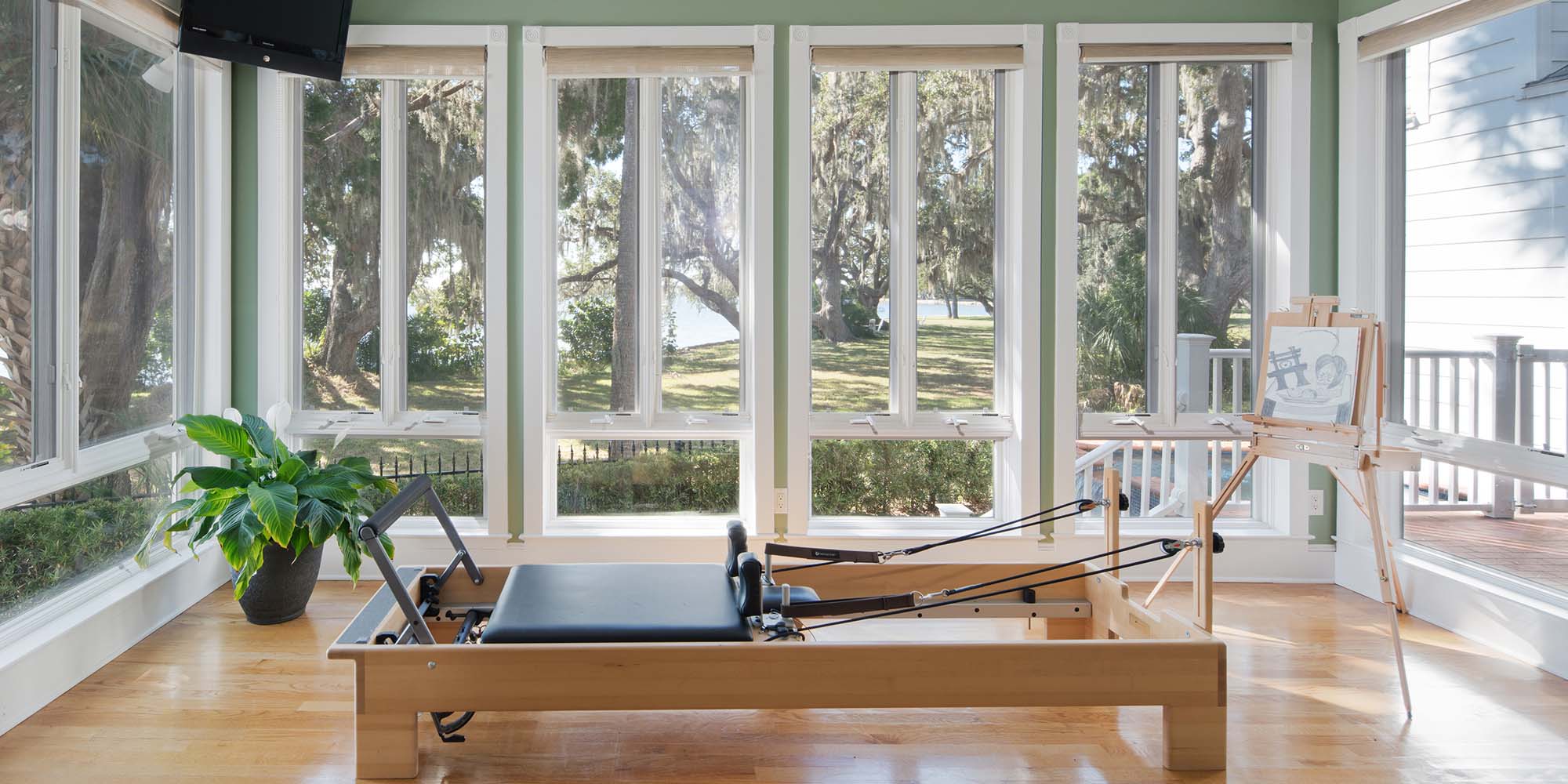
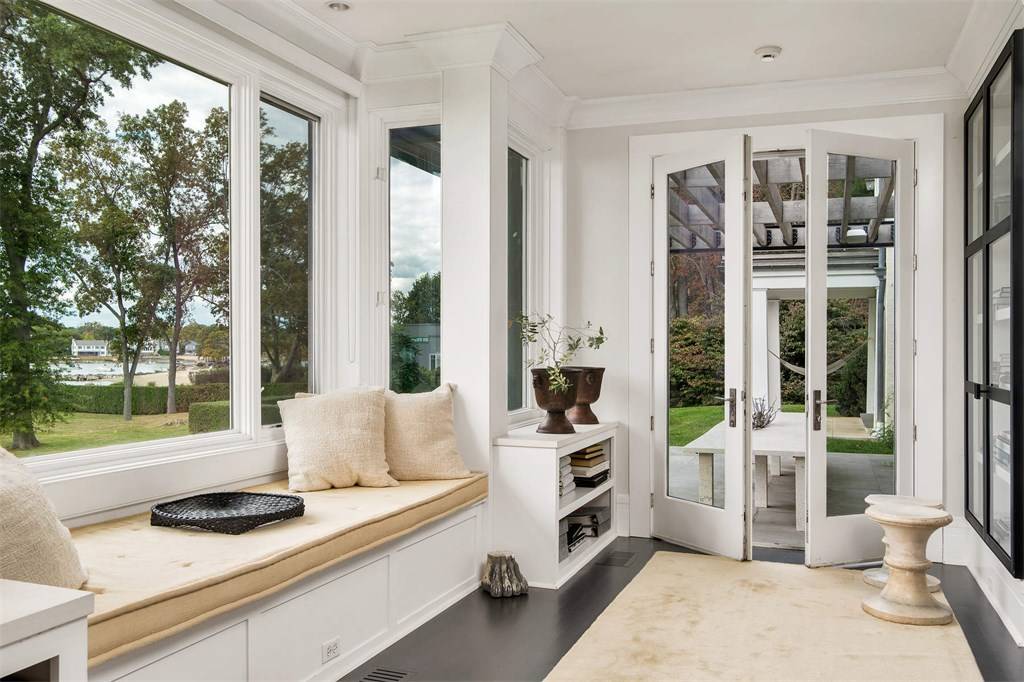
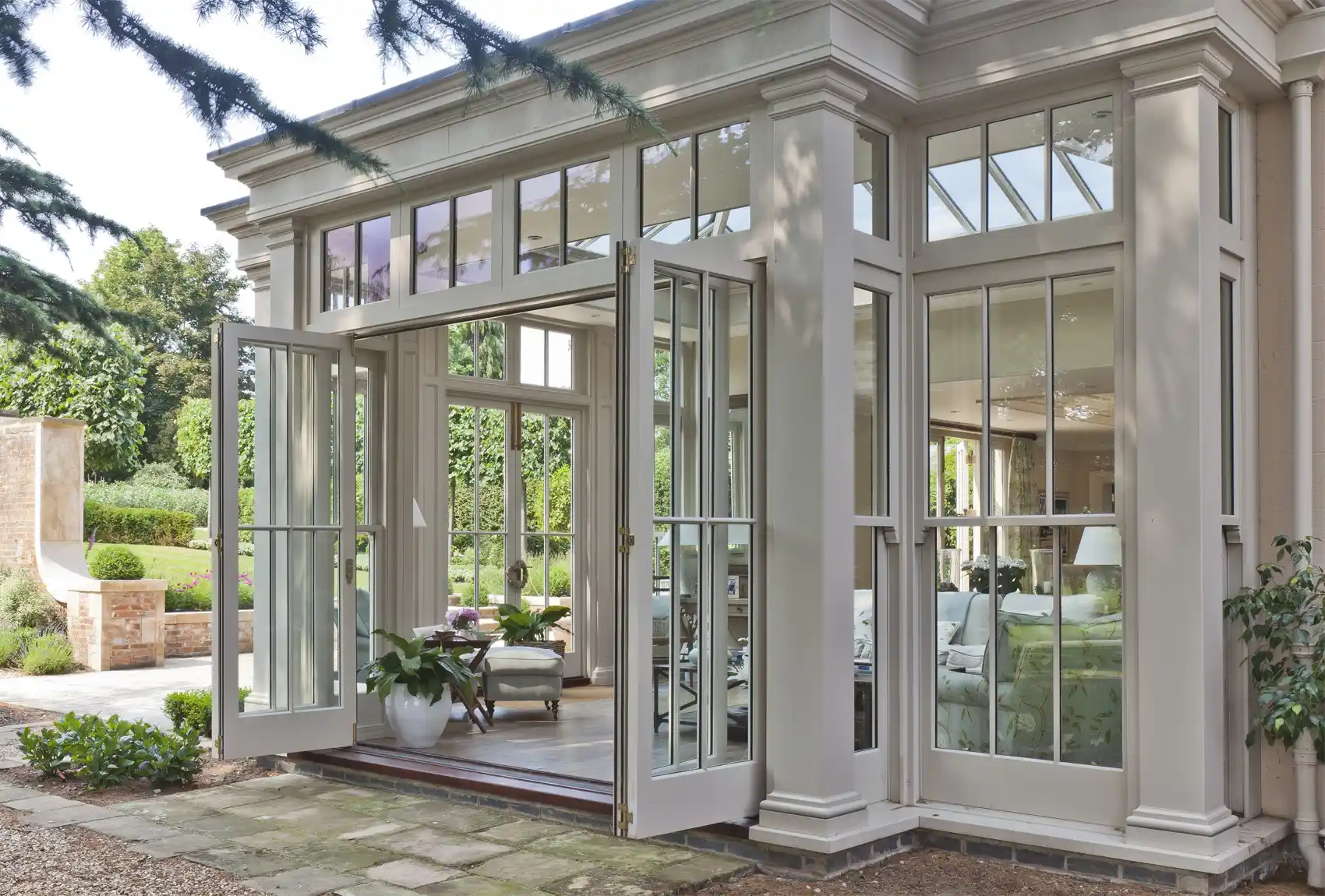
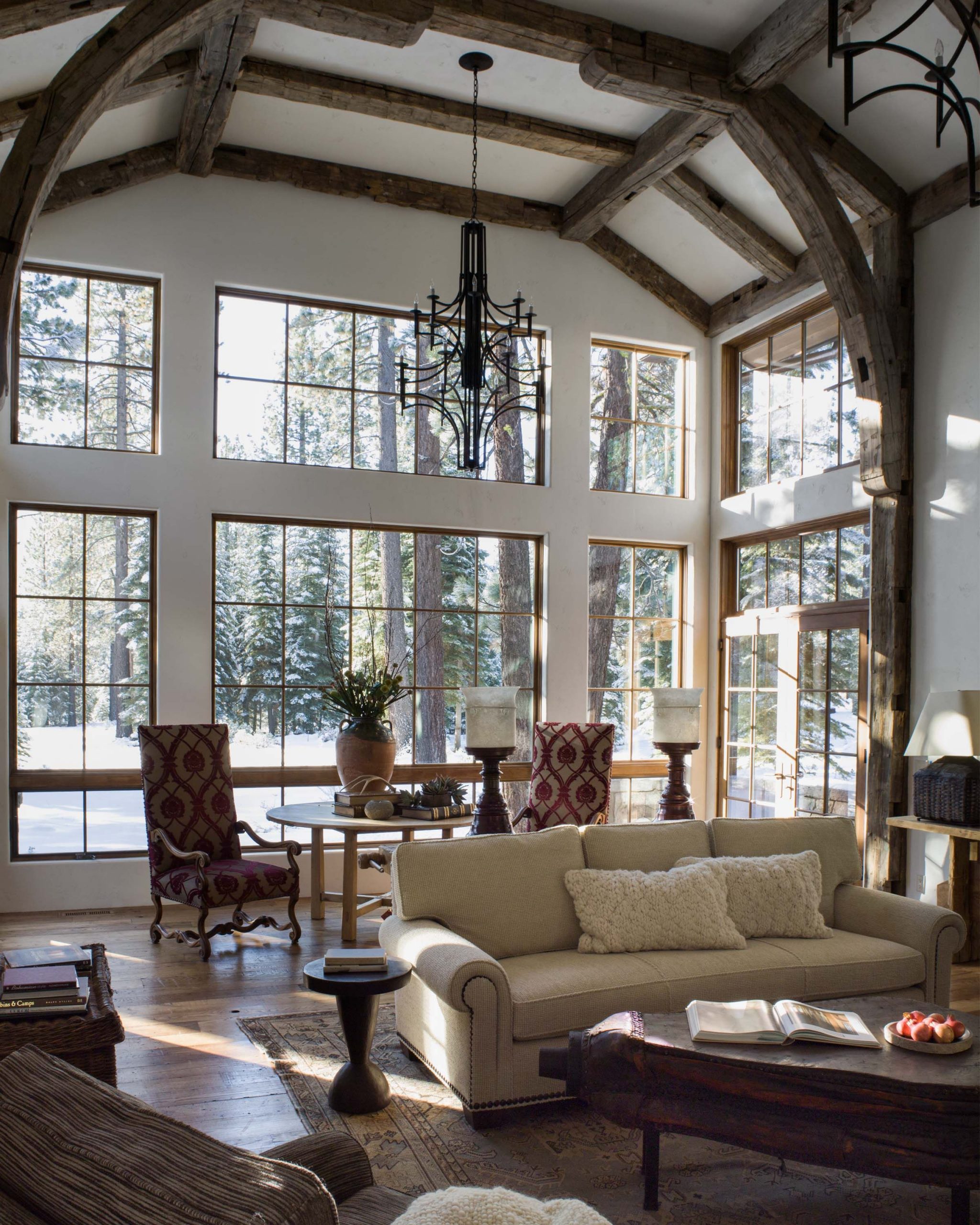
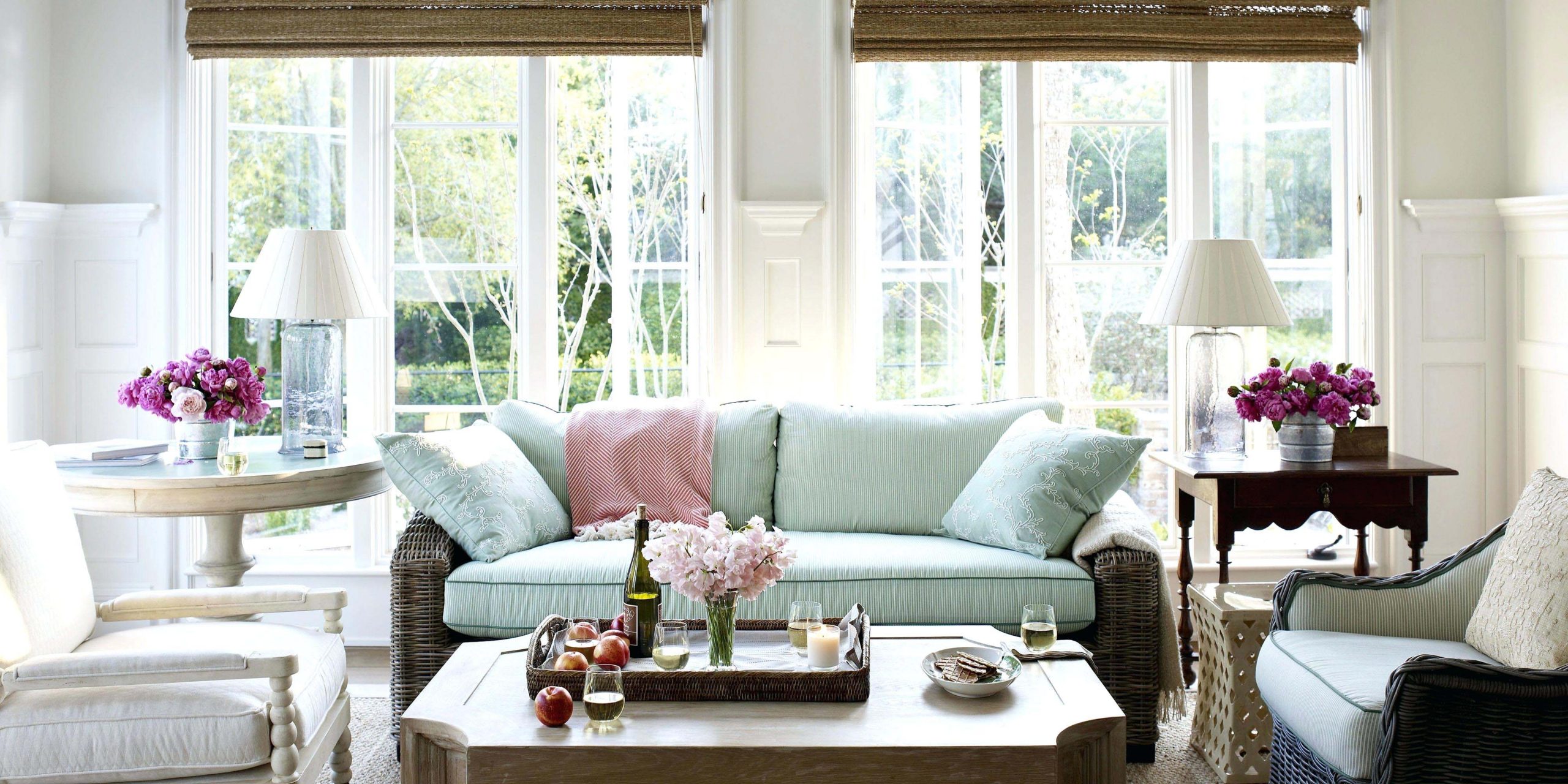
Sunroom Gallery







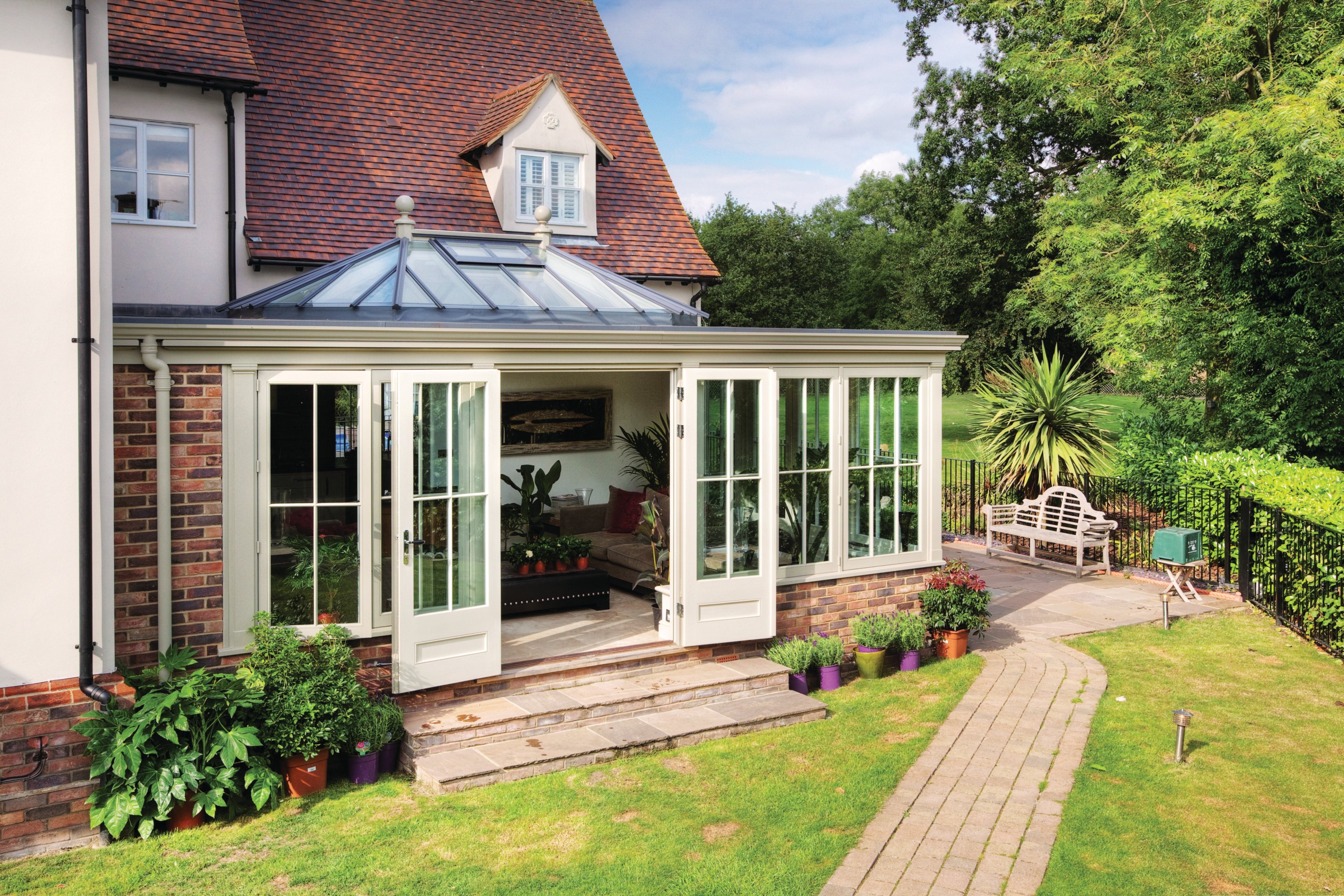
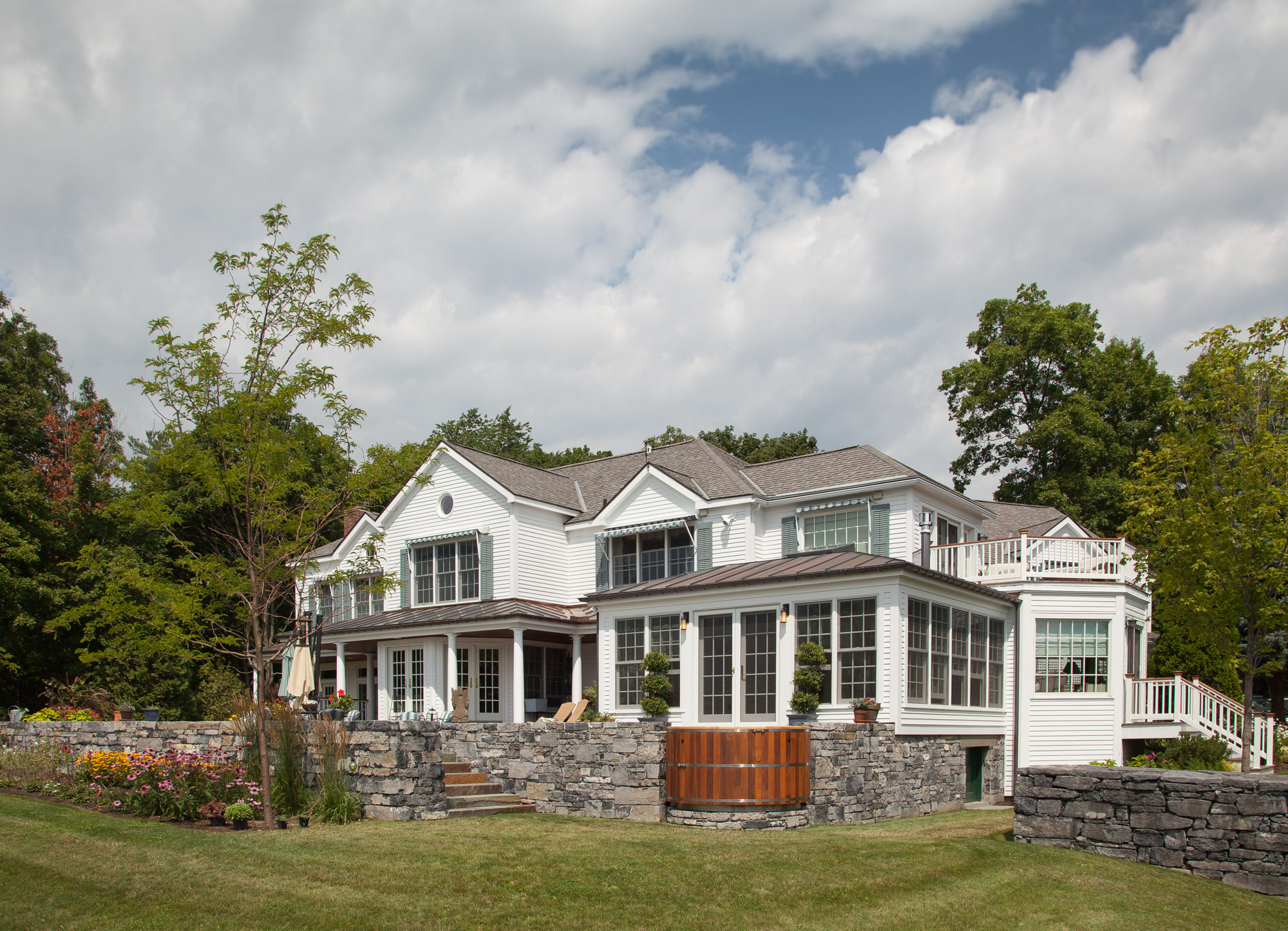

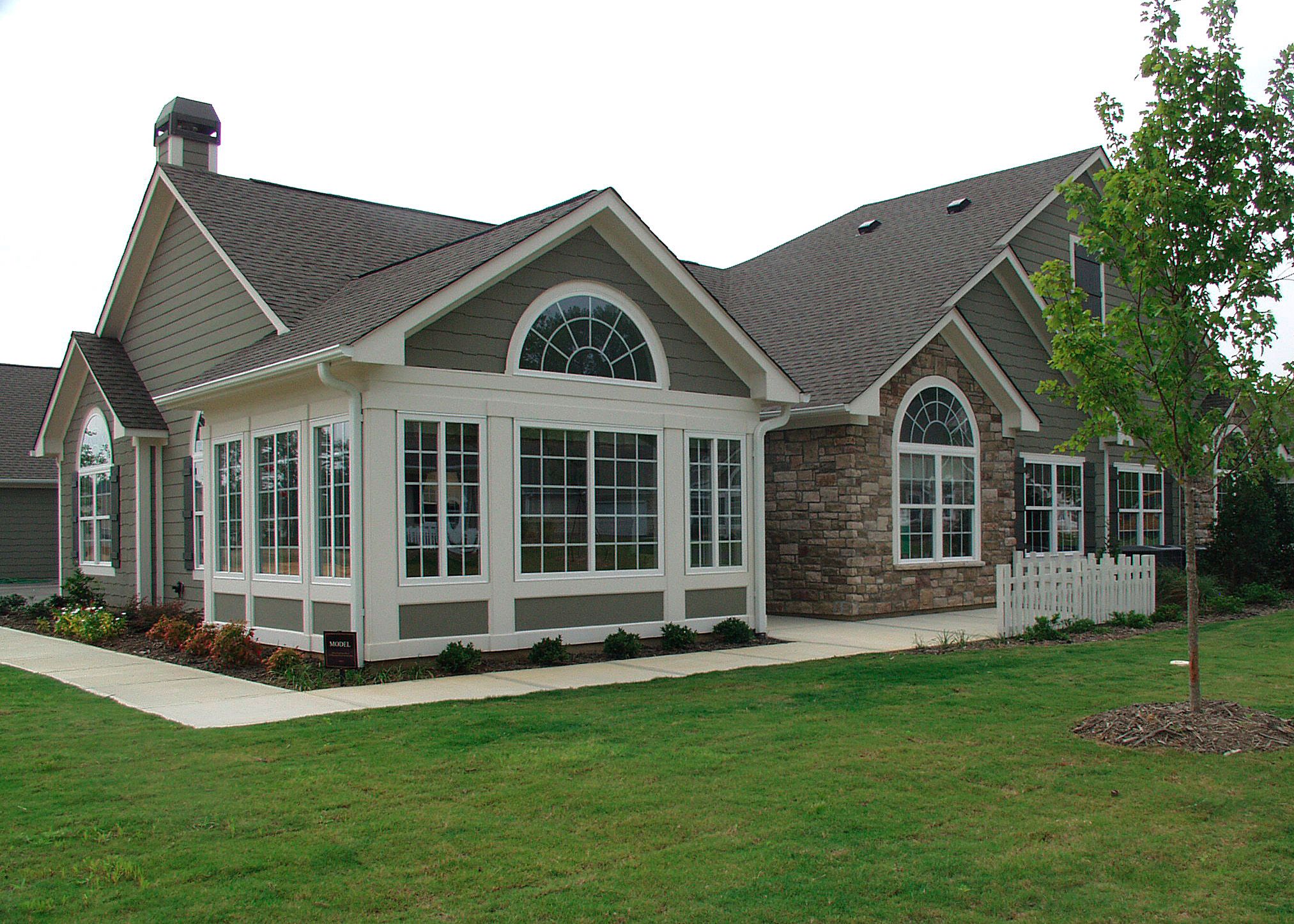
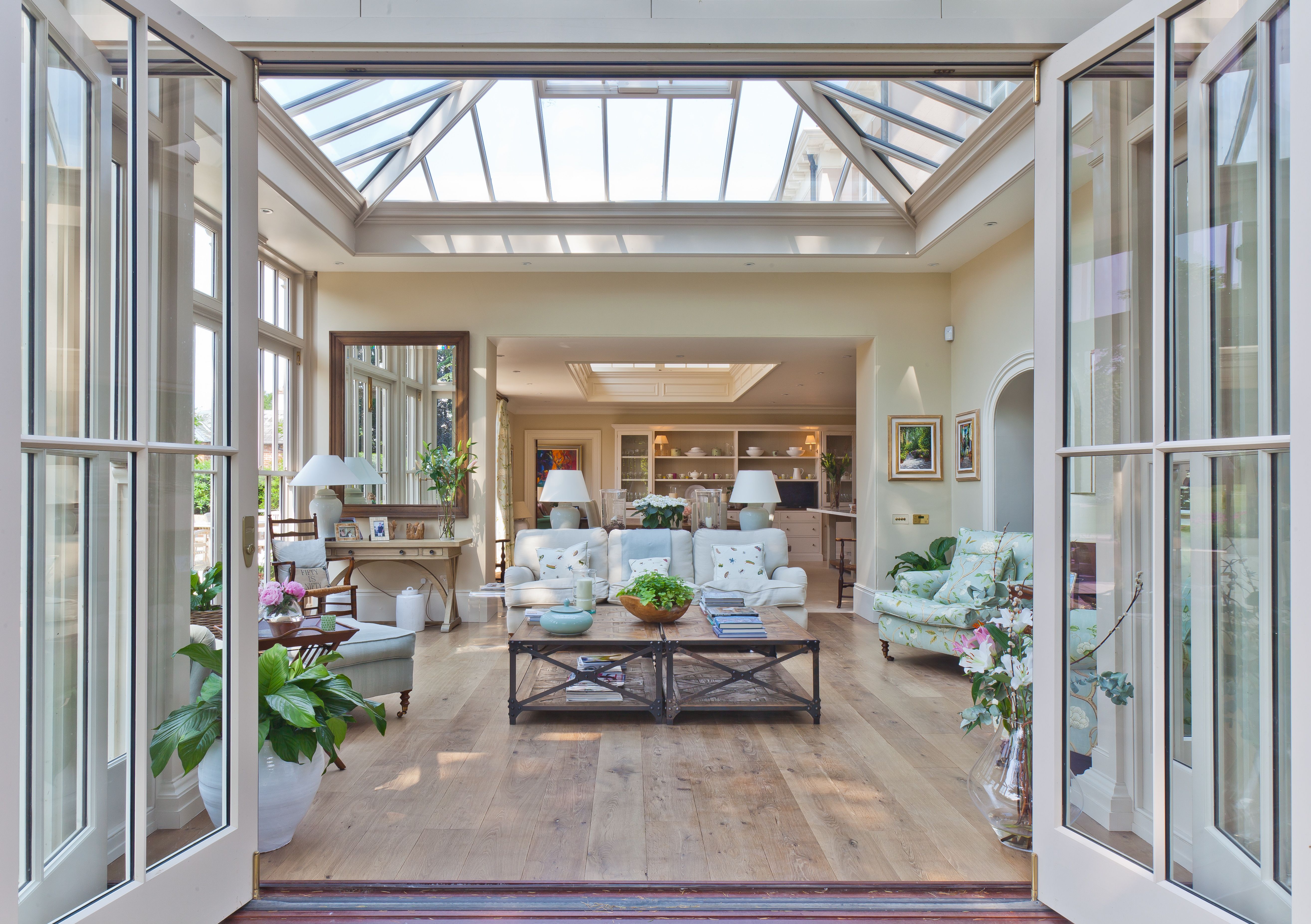
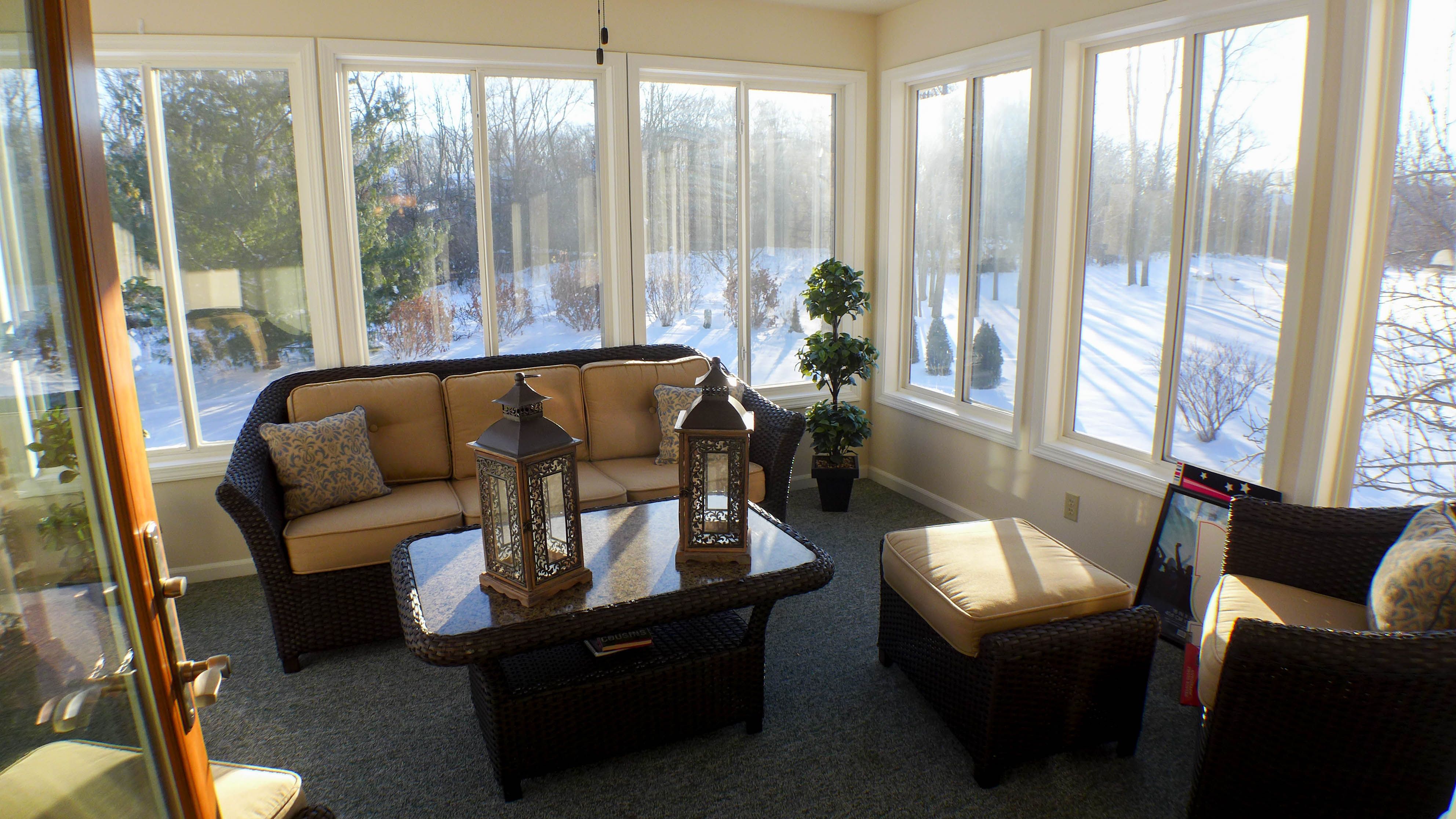
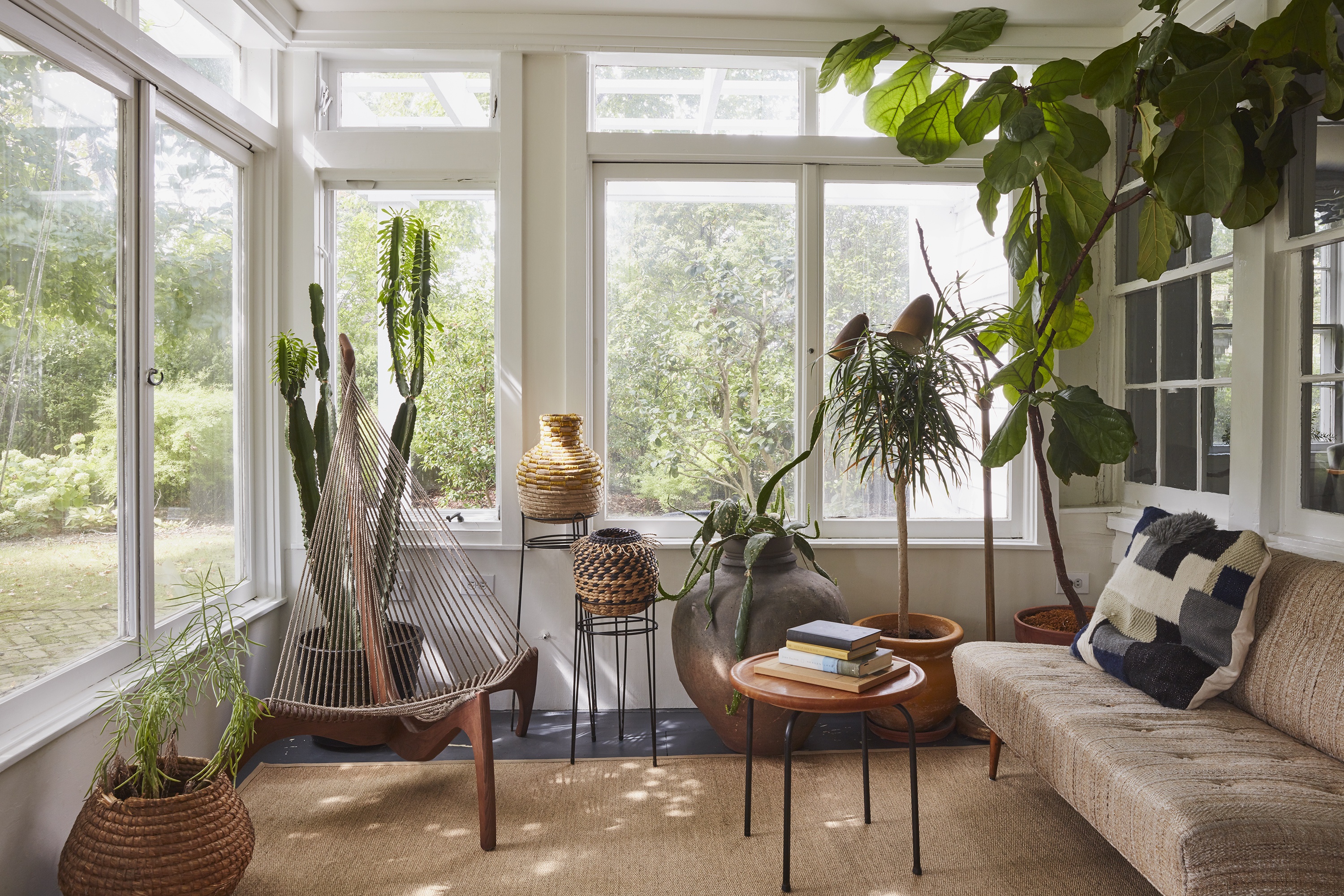

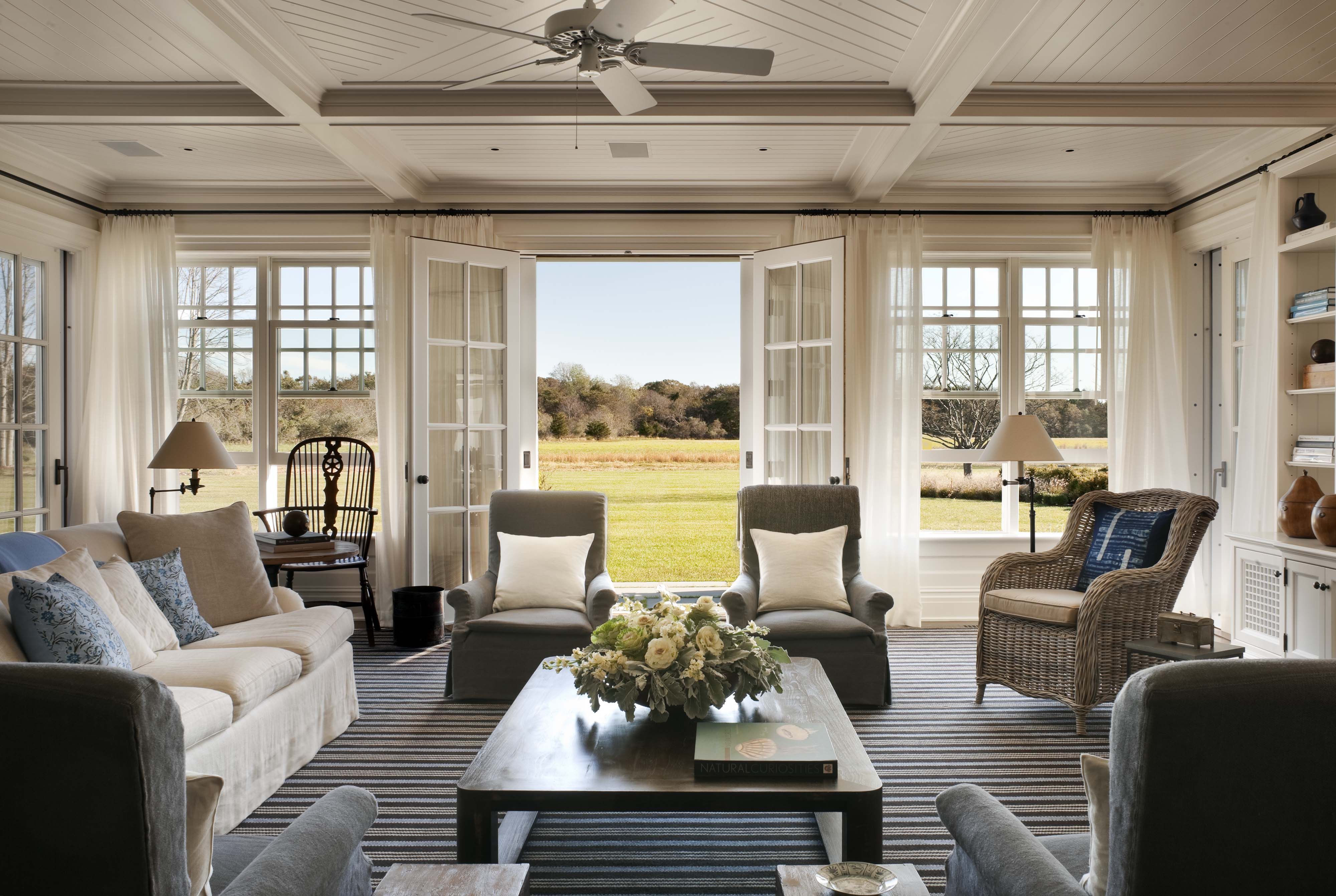
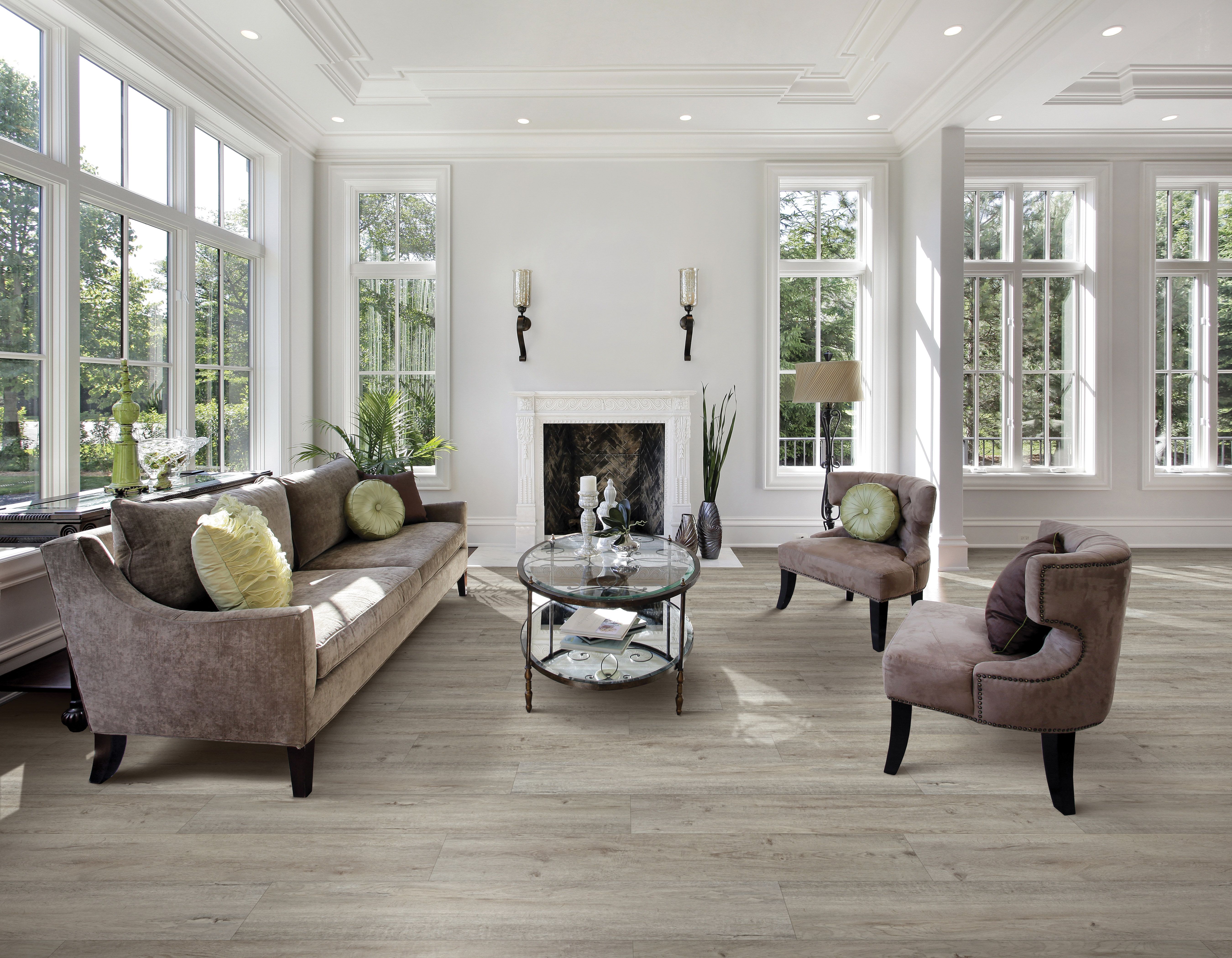
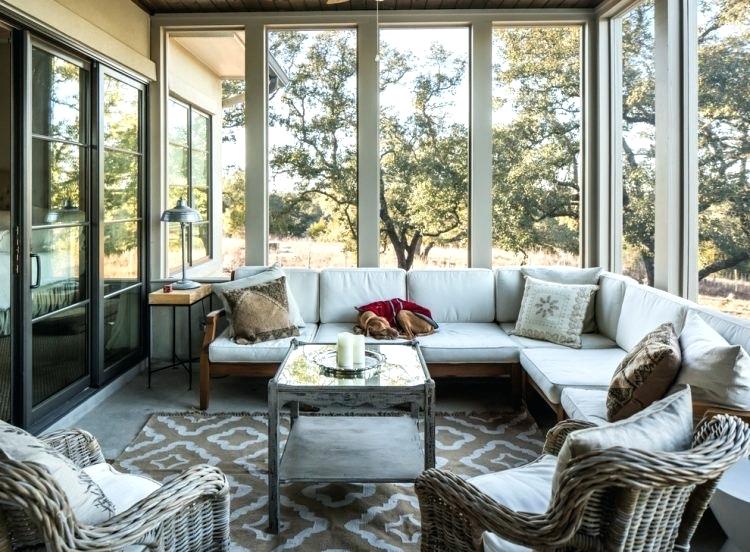
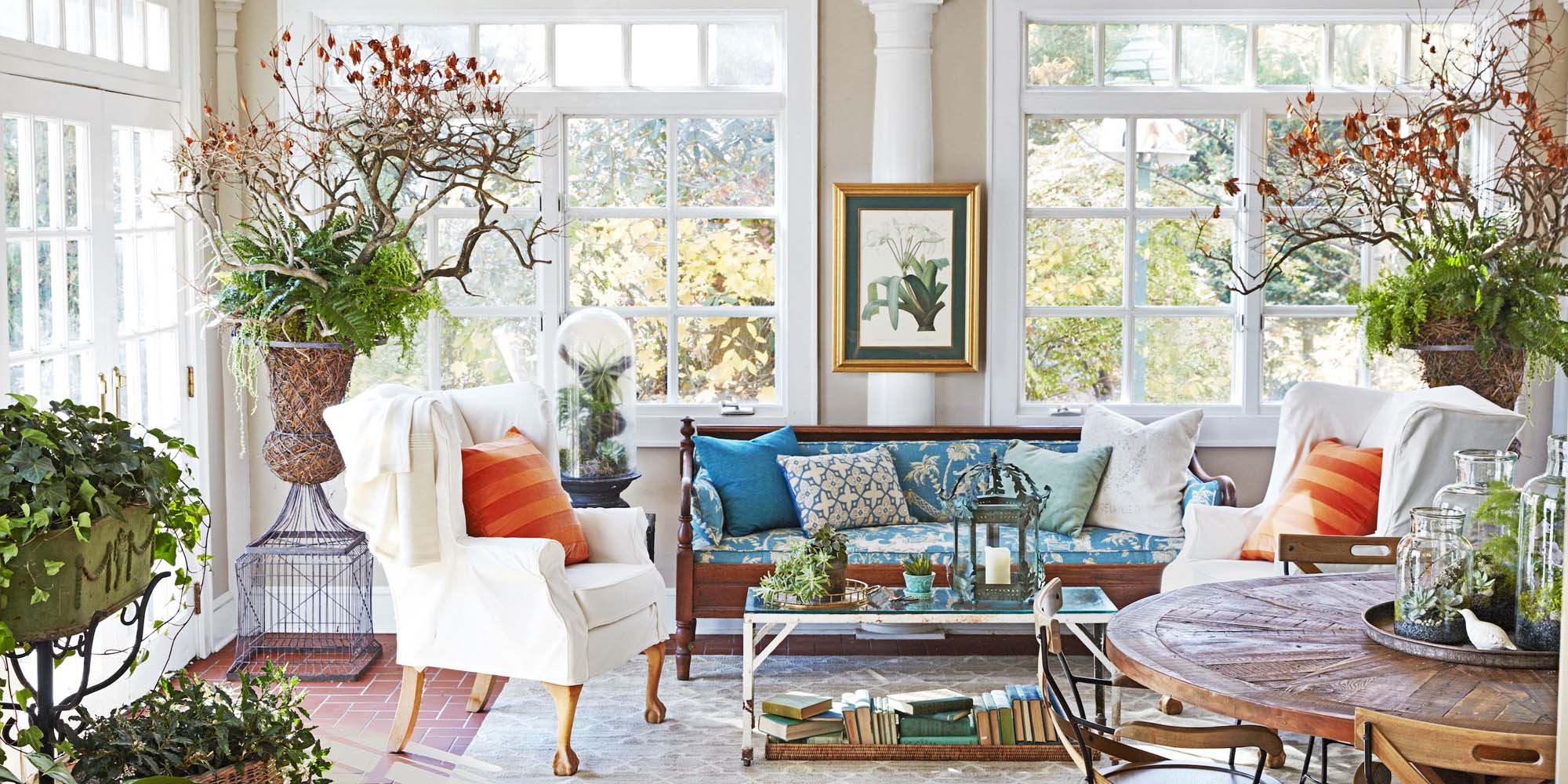
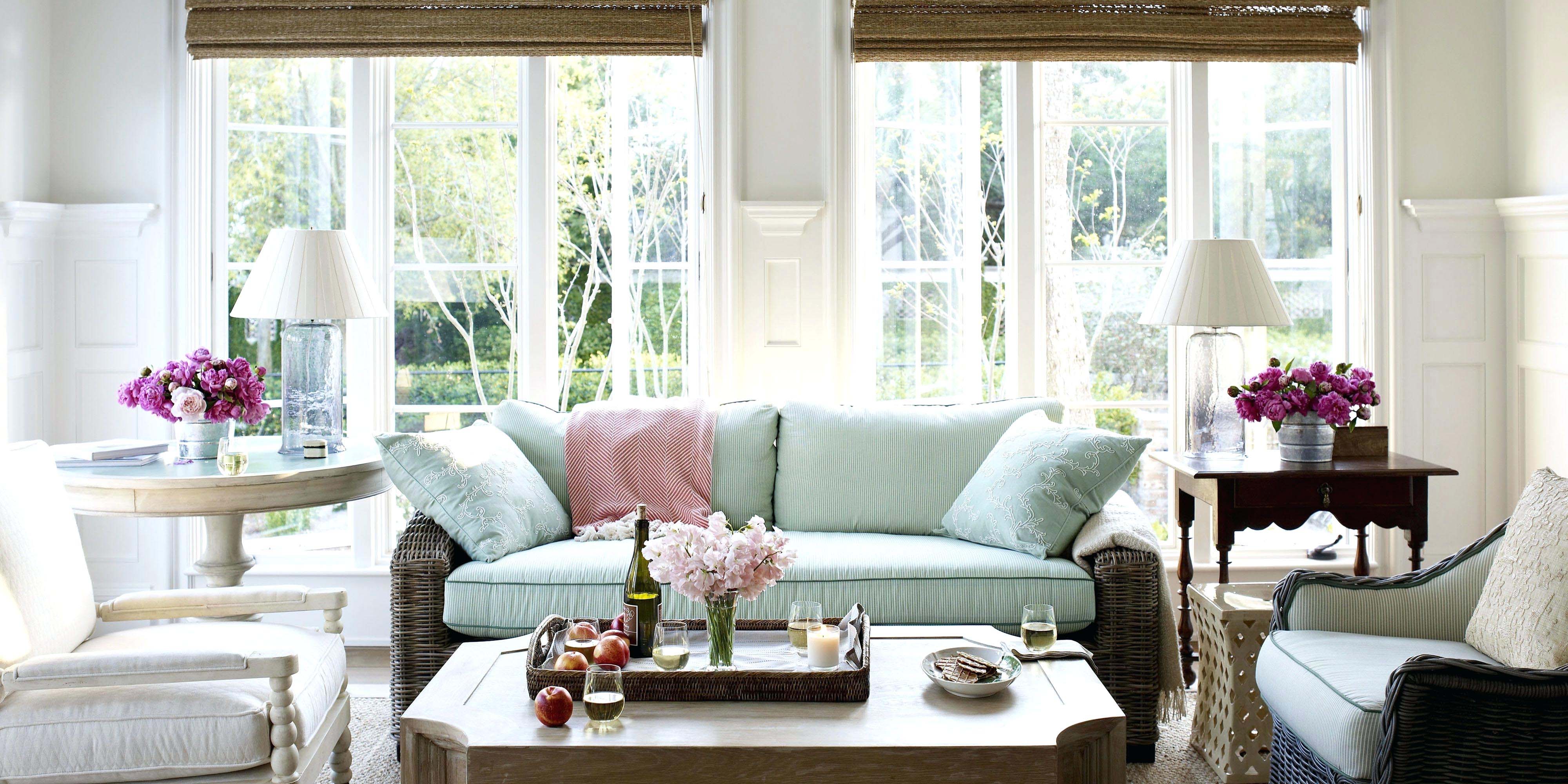
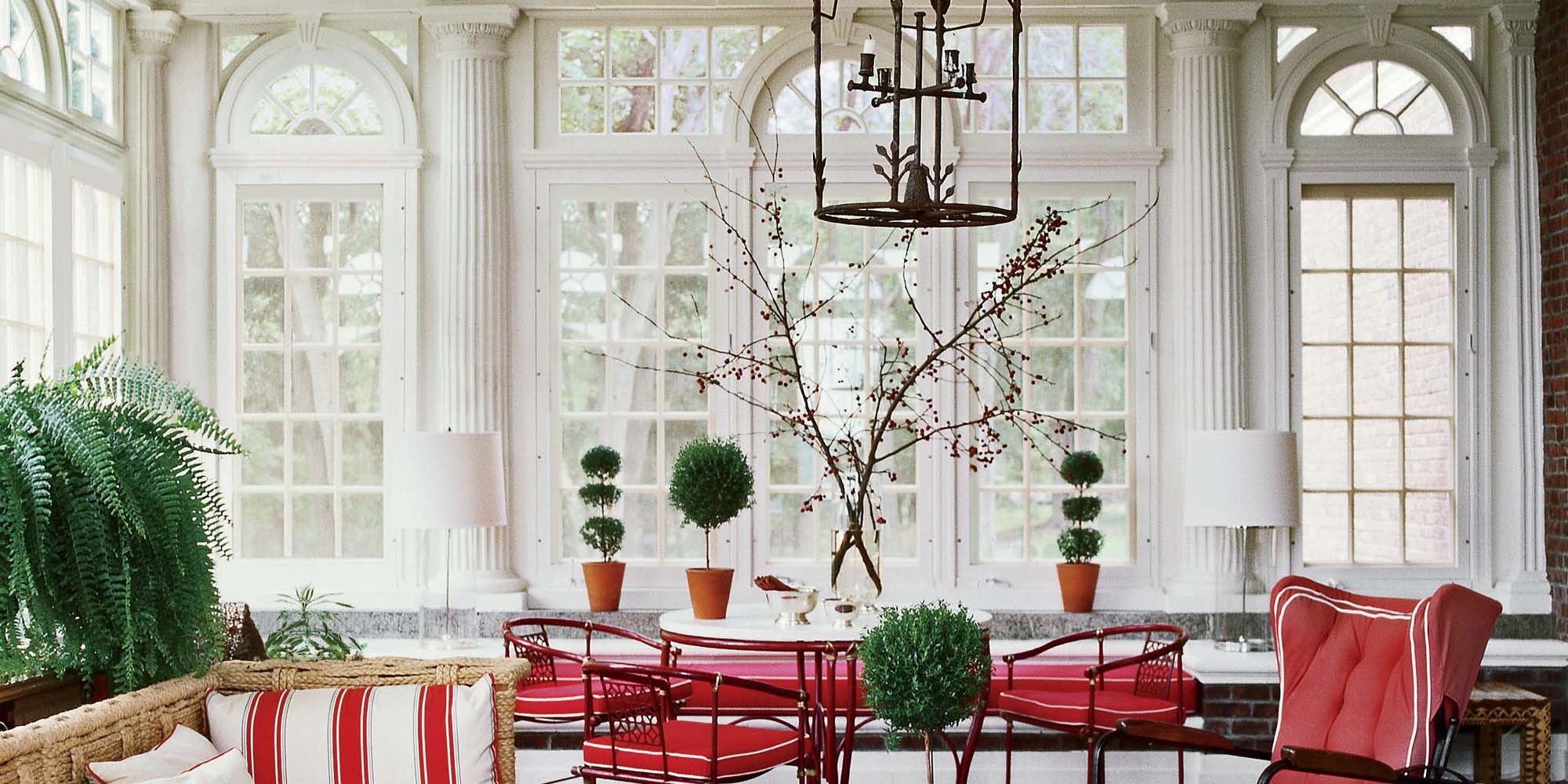
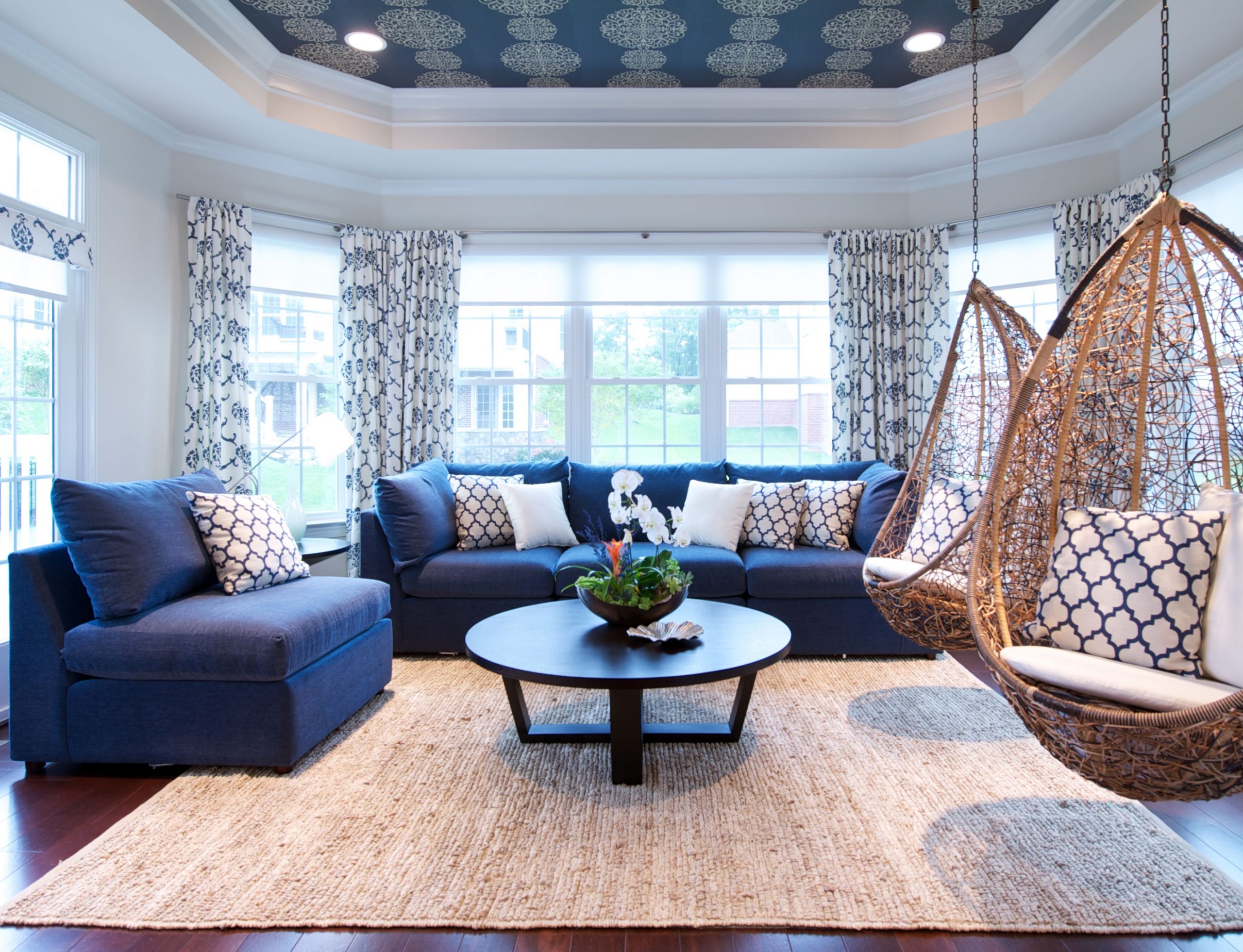
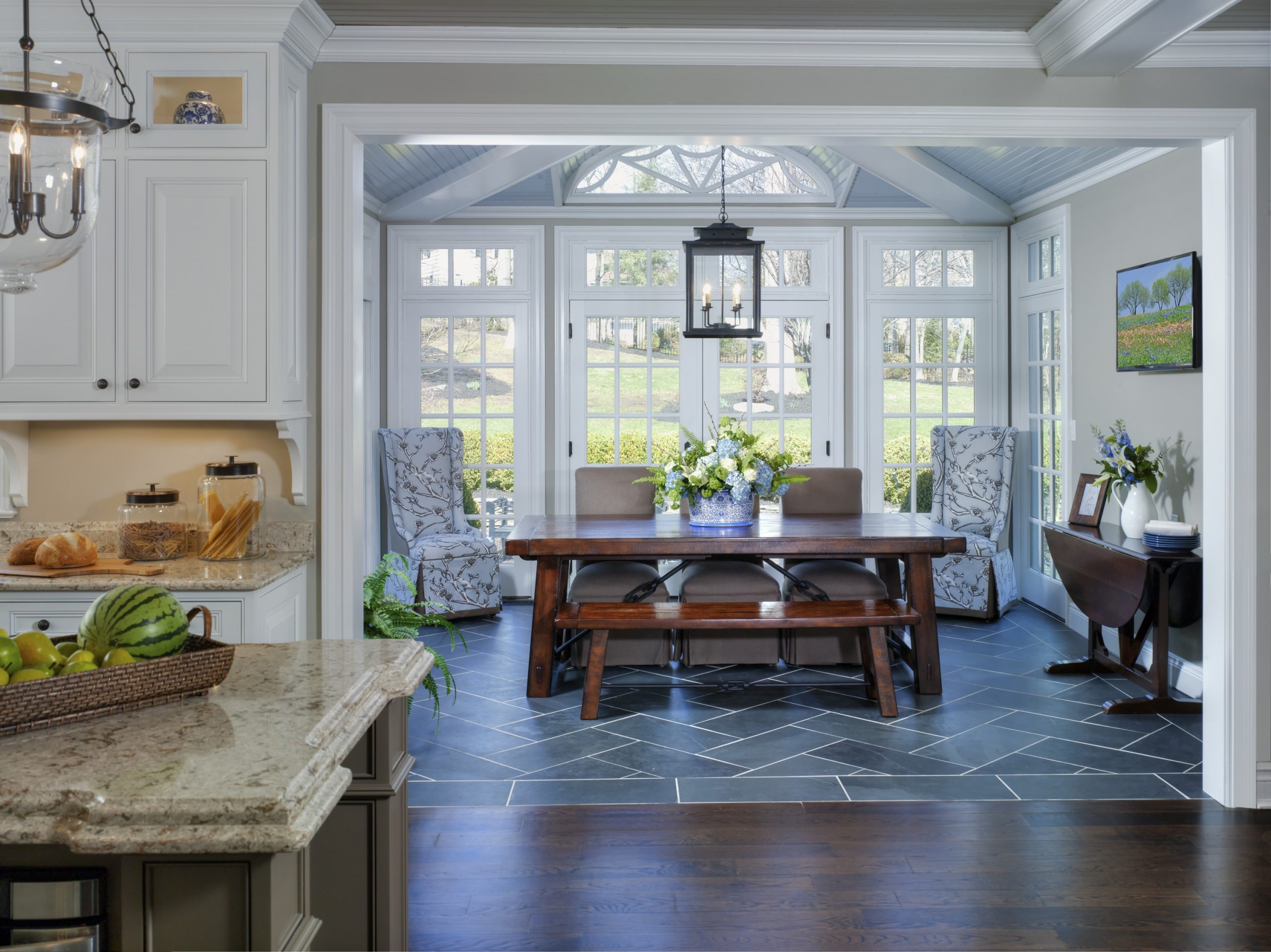

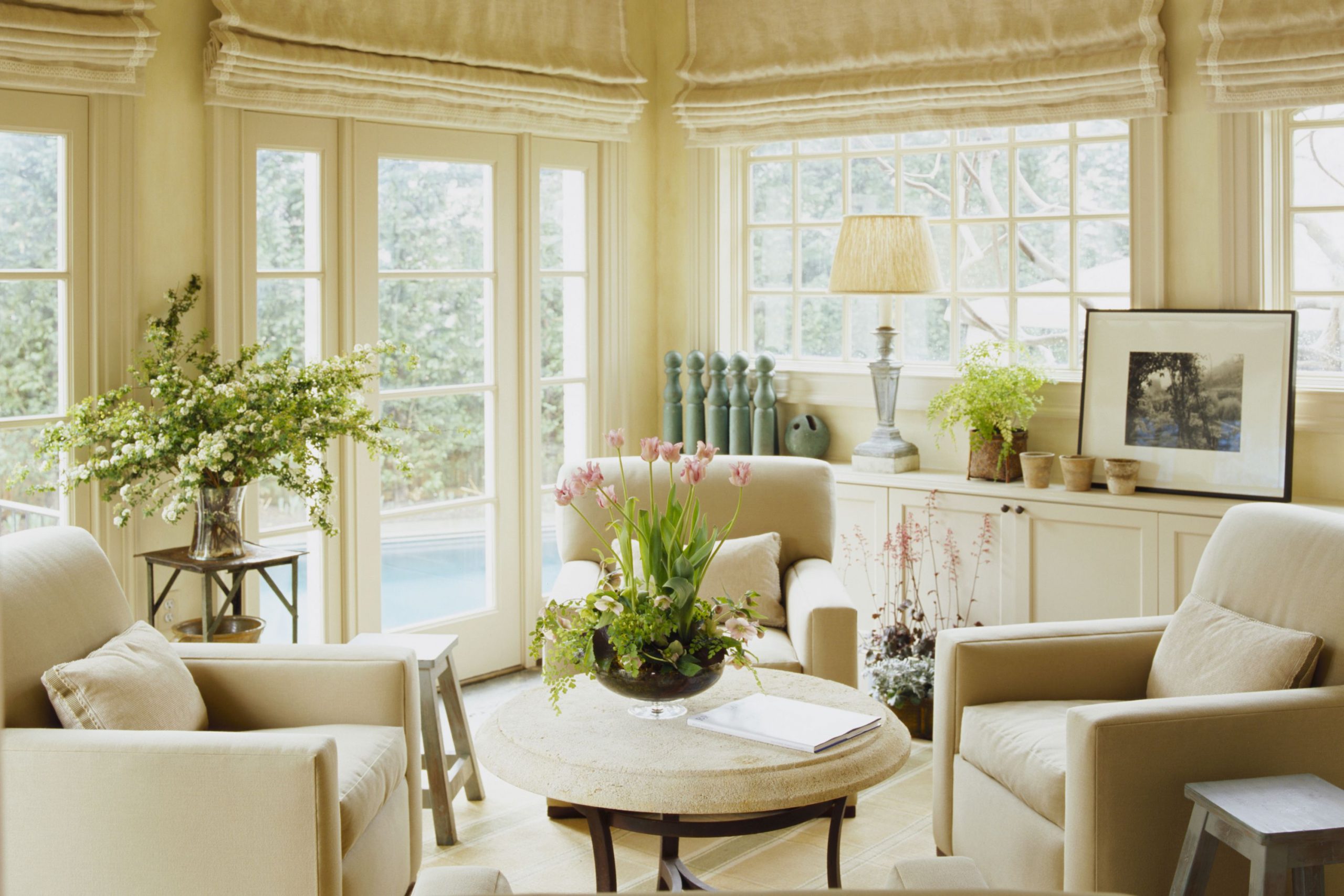
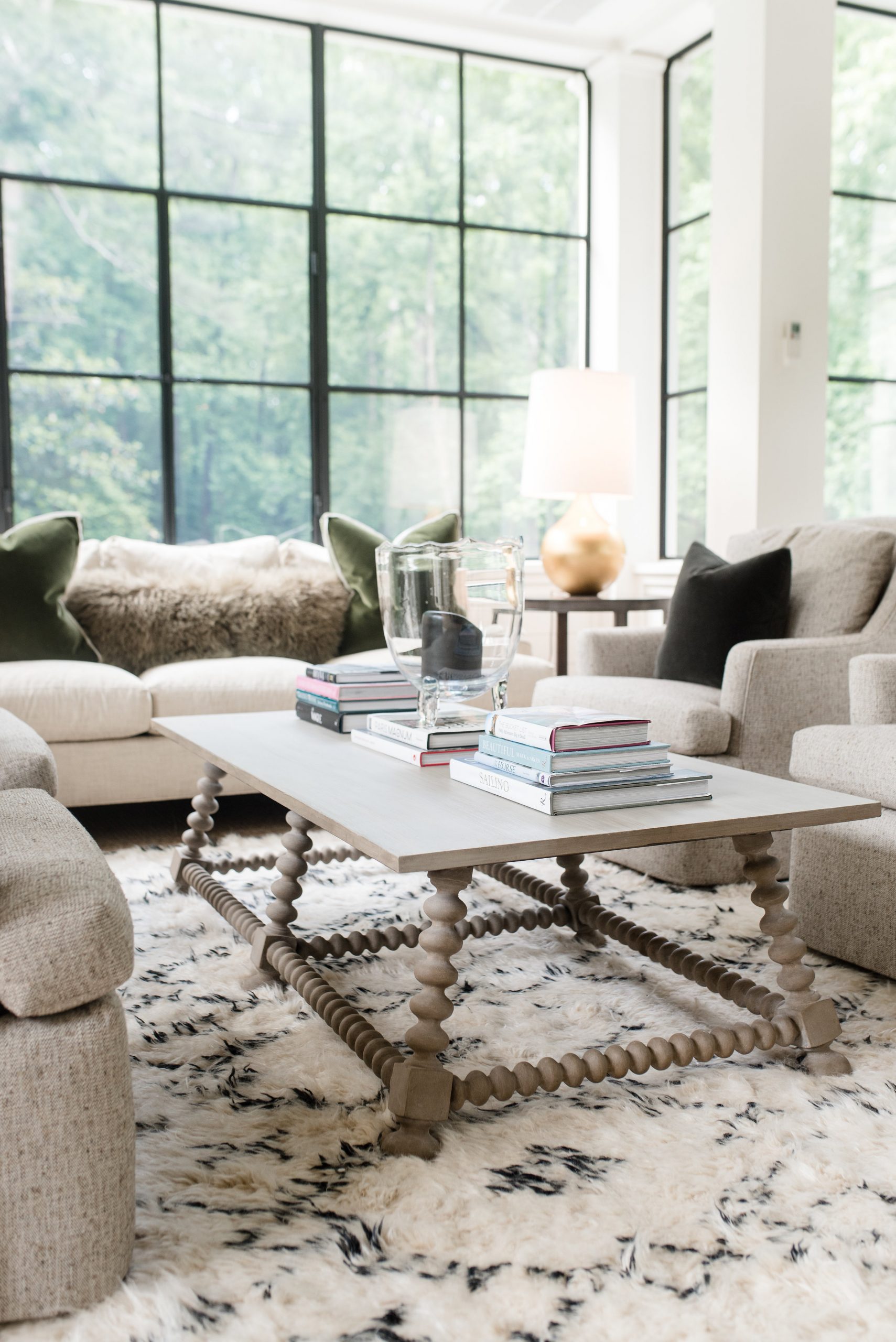
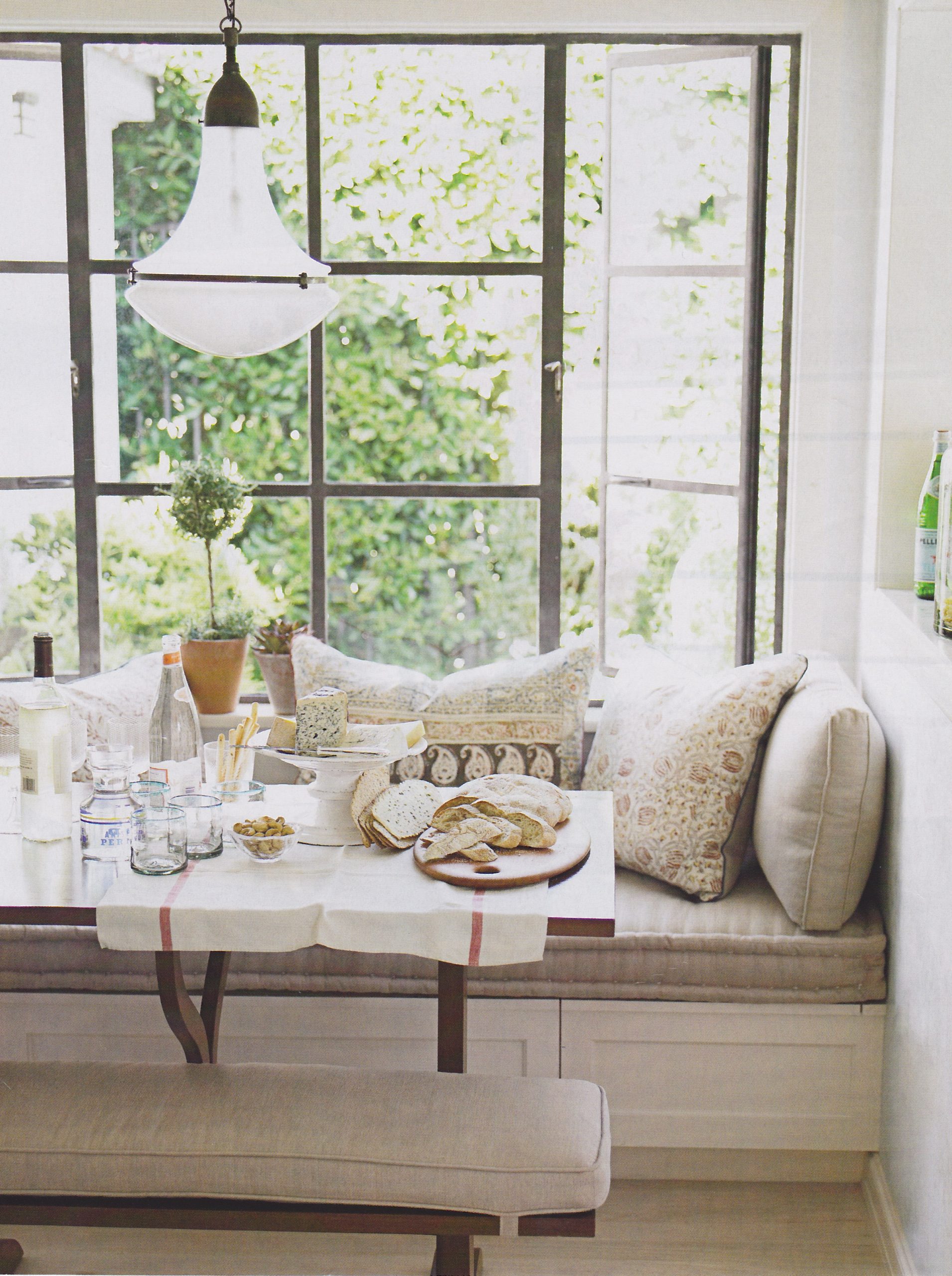
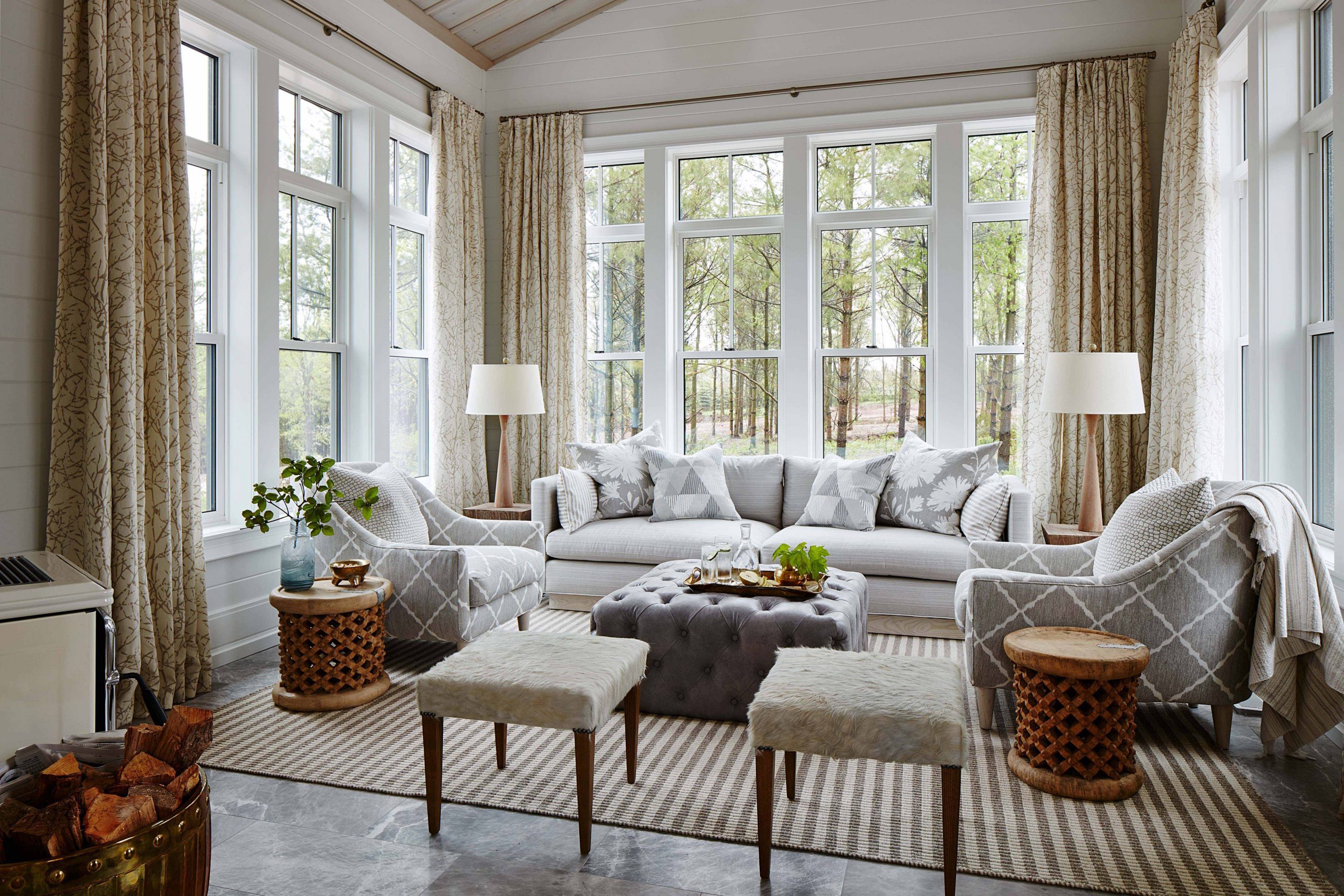
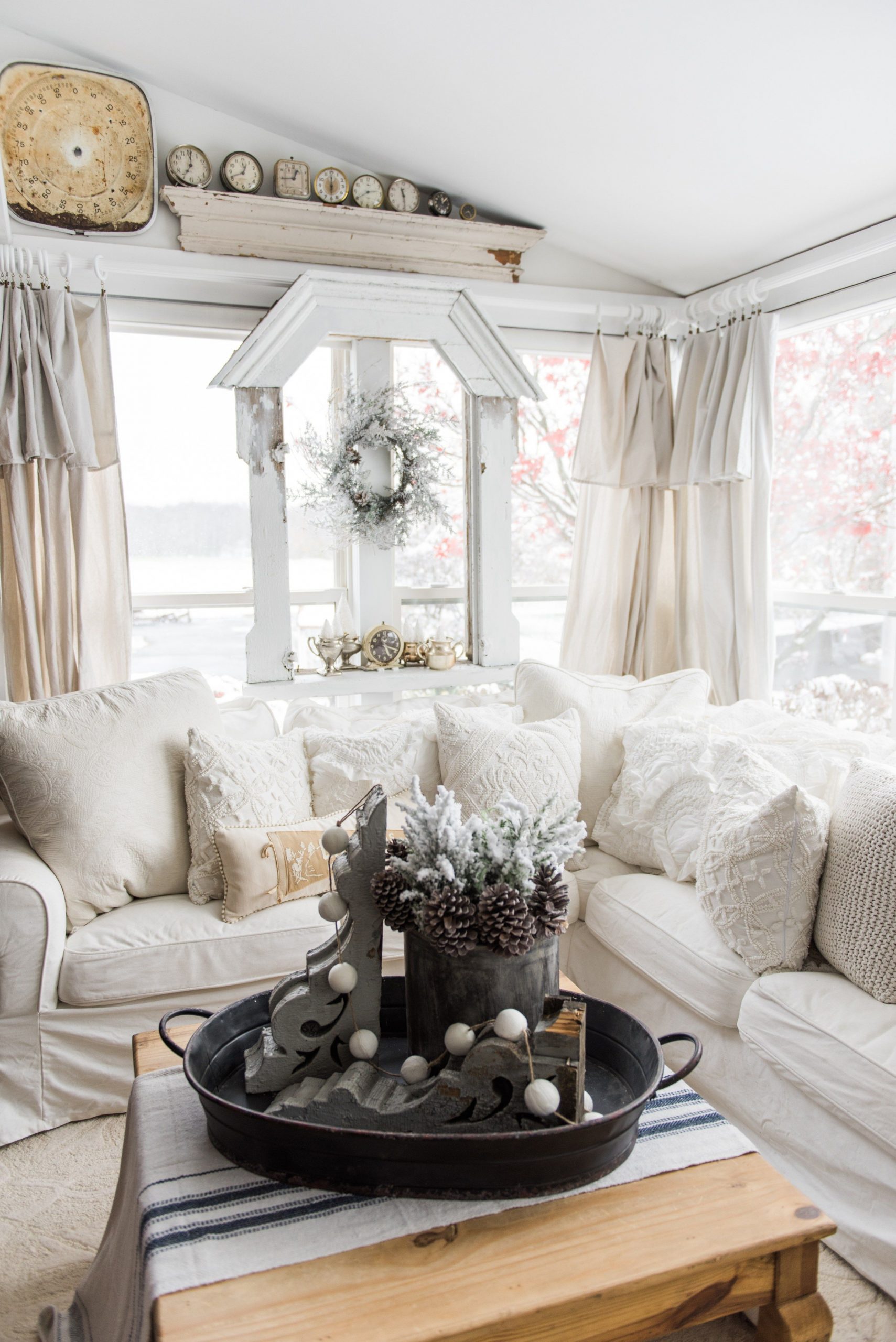
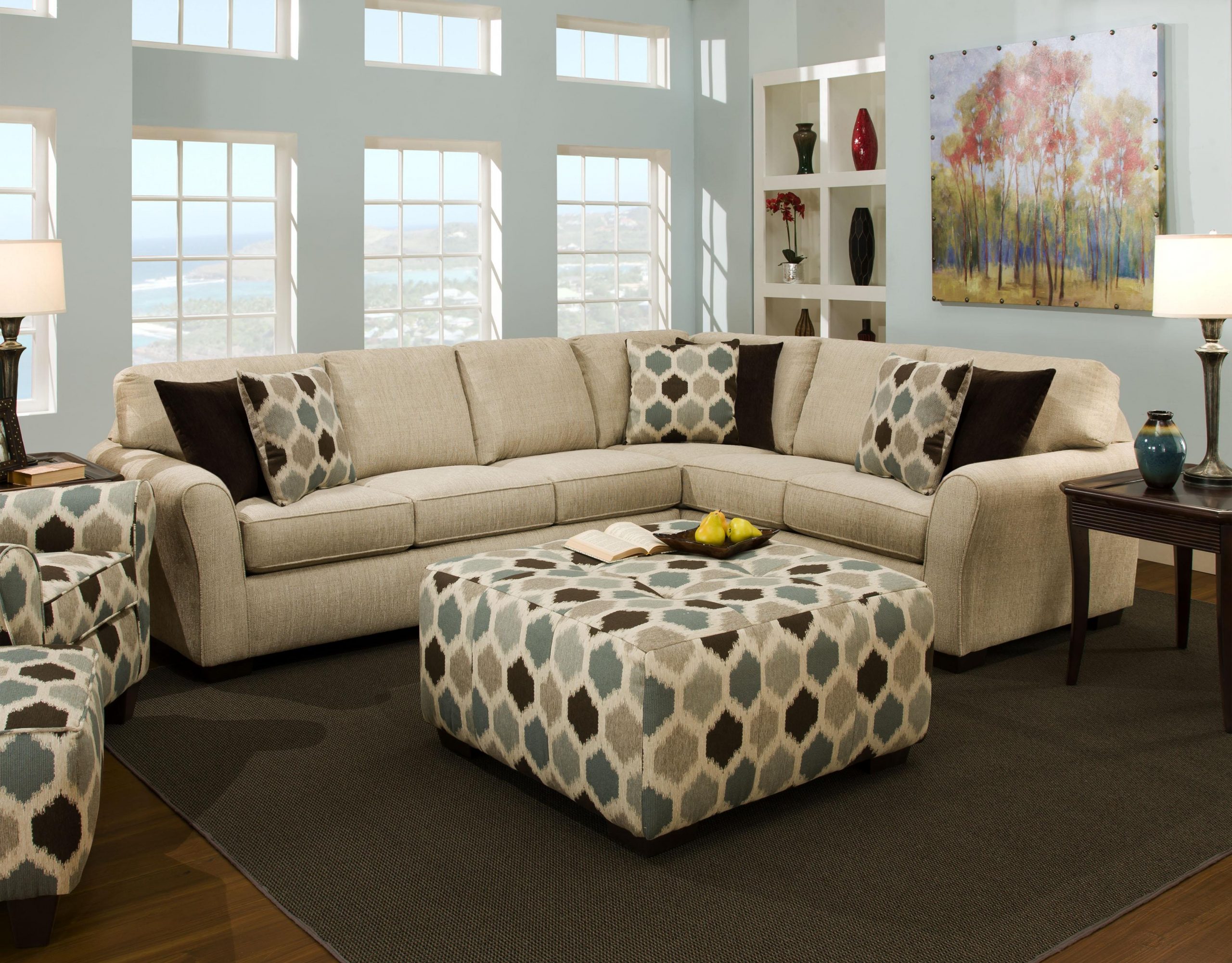

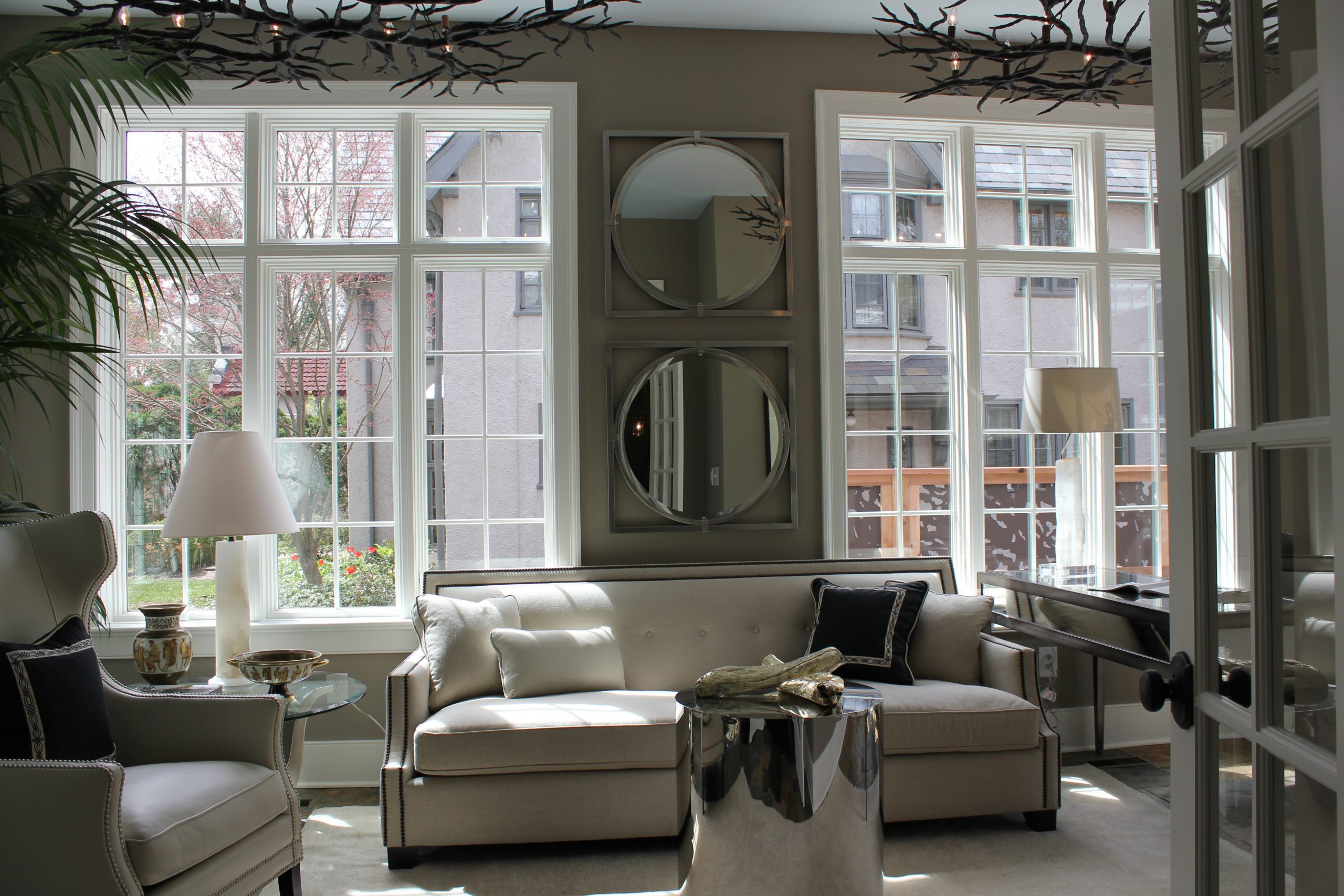
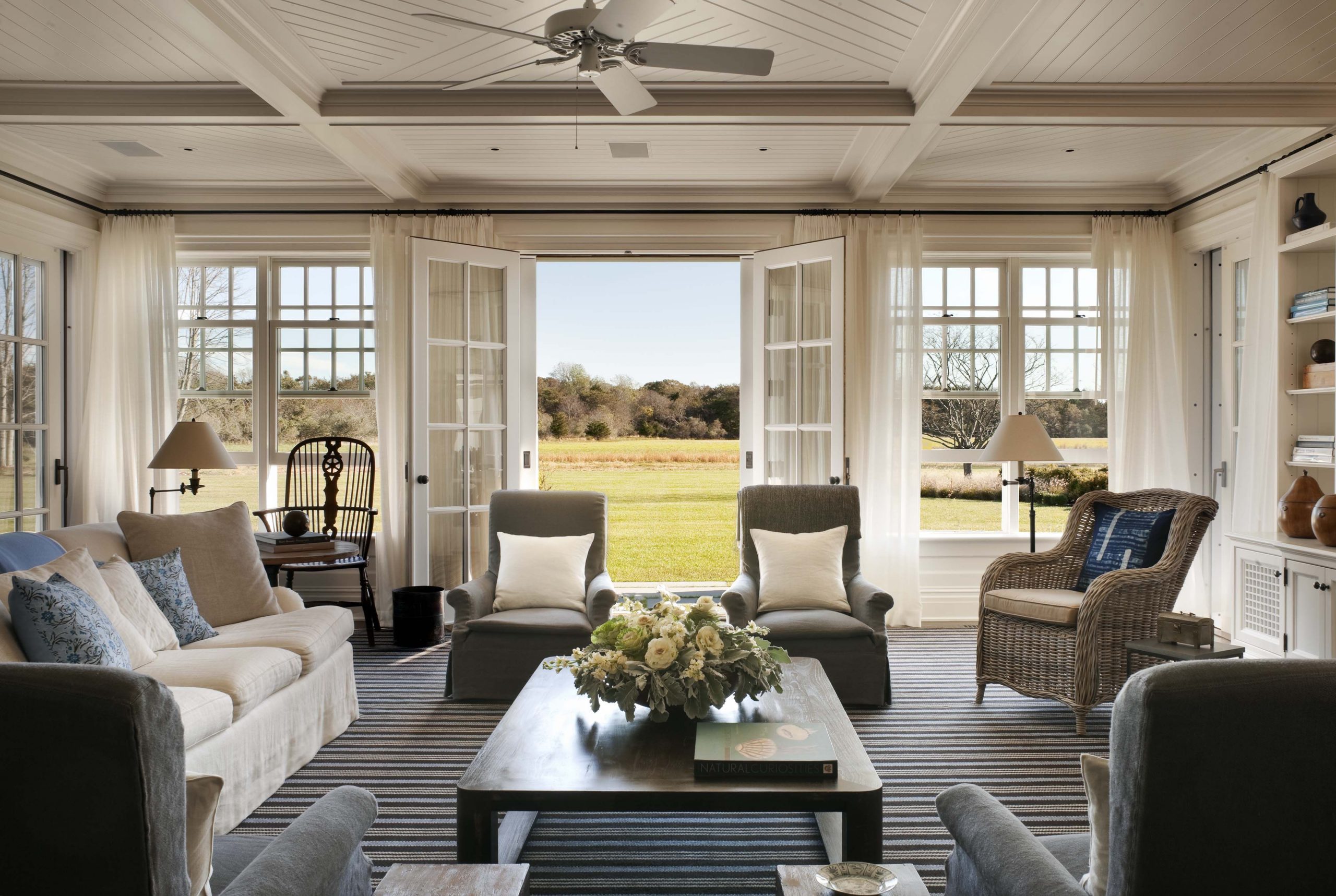
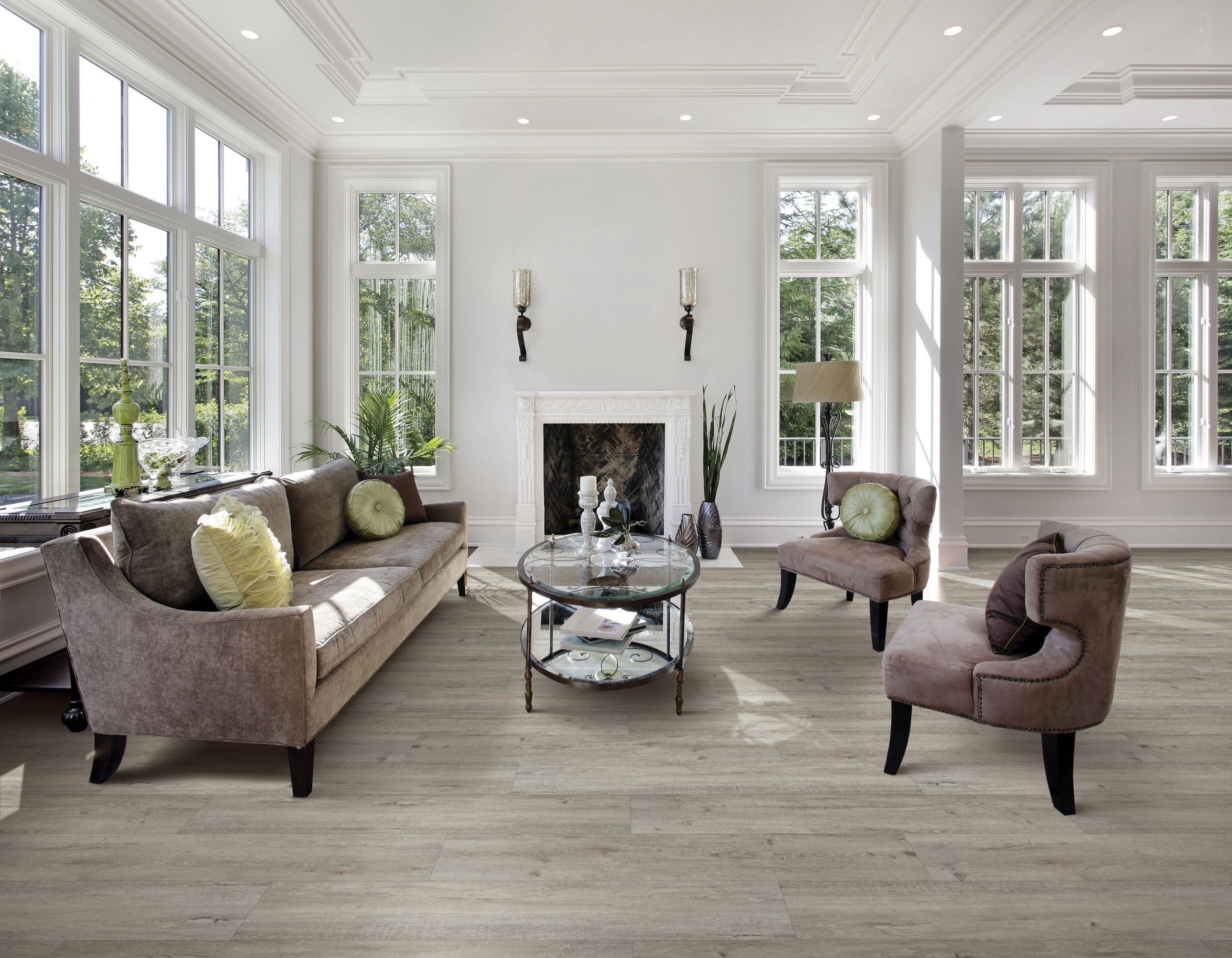
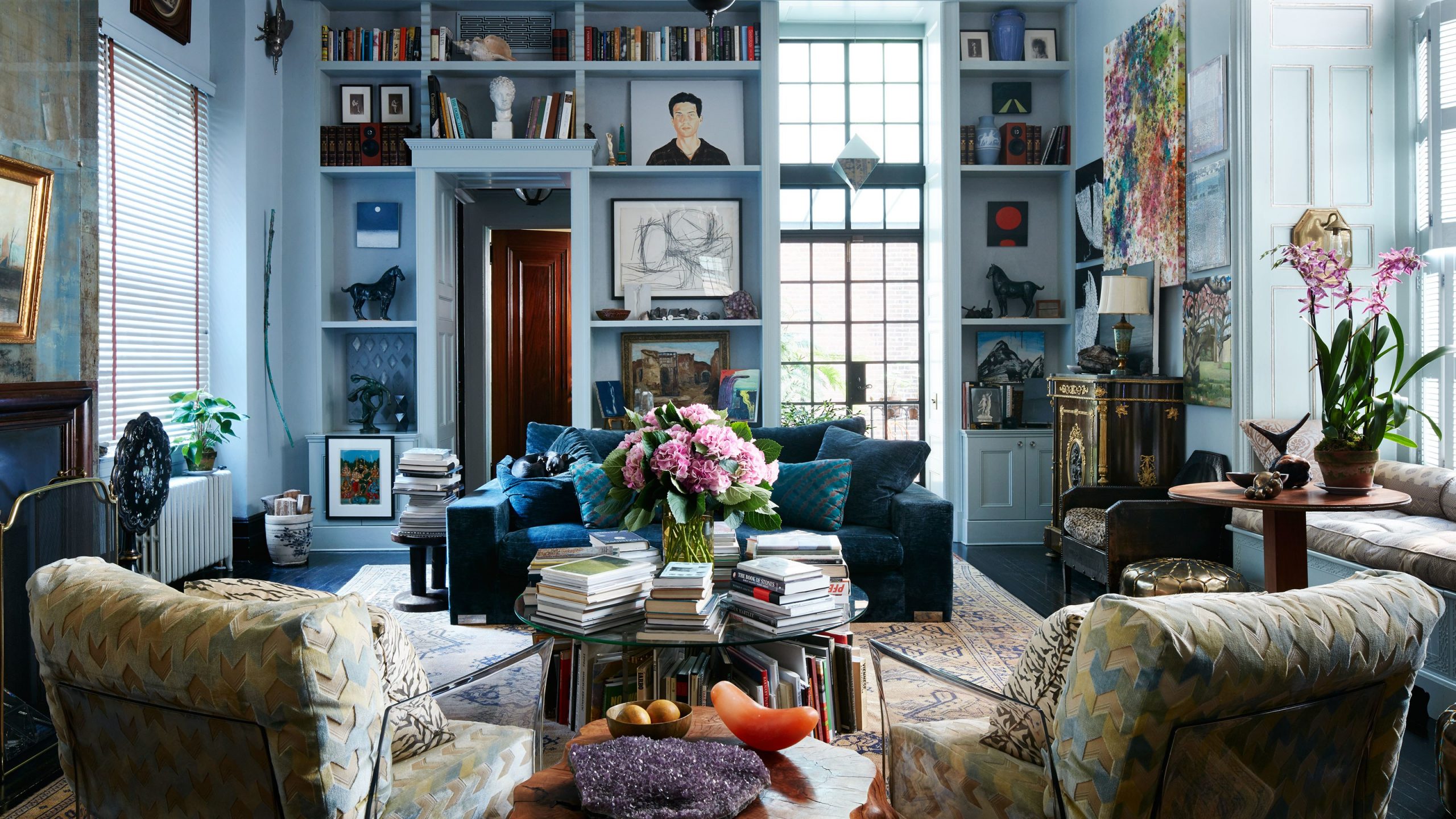
Frequently Asked Questions About NJ Sunrooms
Building a permanent addition at the Shore comes with strict environmental and zoning rules you won’t find inland. Here are straight answers to the most common questions we get from homeowners at the kitchen table.
Do I need a CAFRA permit to build a sunroom on Barnegat Bay?
Yes. If your property sits directly on the water in towns like Mantoloking, Bay Head, or along the Metedeconk River, you likely fall under the state’s coastal permit program. CAFRA regulates how close you can build to the water and how much of your lot gets covered by structures. We handle the entire CAFRA application in-house, but you need to expect the state environmental review to add 3 to 6 months to your project timeline before we can swing a hammer.
Can I build a sunroom if my home is in a FEMA V-Zone near the Manasquan Inlet?
Yes, but the engineering is strict. A V-Zone (Velocity Zone) means your property is at high risk for storm surges and severe wave action. You cannot build a standard block foundation here. Your sunroom will need to be elevated on heavy timber pilings or steel helical piles to let floodwaters pass harmlessly underneath. We frame these additions using heavy engineered beams and marine-grade hardware to make sure the room survives the next major nor’easter.
How do impervious surface limits affect sunroom additions in Point Pleasant?
Every township limits how much of your property can be covered by a roof, driveway, or patio. This is called your impervious surface limit. In densely packed neighborhoods like Point Pleasant Beach or the Library section of Point Pleasant, these limits are extremely tight. Before we draft any plans, we calculate your exact lot coverage. If you are over the limit, we either have to apply for a local zoning variance or adjust the footprint of your new sunroom.
Are you allowed to build sunrooms during the summer at the Shore?
It depends on your exact address. Many shore towns, including Sea Girt, Spring Lake, and Lavallette, have strict summer work bans for properties located east of Ocean Avenue or right near the beach. These ordinances stop heavy exterior construction and loud noise from Memorial Day through Labor Day. If your home is located inland, like in the Herbertsville section of Brick Township or west of the Point Pleasant Canal, we can usually build right through the summer months.
Does a 4-season sunroom increase property taxes in Monmouth County?
Yes. A 4-season sunroom is built to full NJ Energy Code with permanent HVAC, closed-cell insulation, and full weatherproofing. The local tax assessor counts it as fully conditioned, livable square footage, just like a bedroom addition. Alternatively, a basic 3-season room or a screened-in porch usually has a much lower tax impact because it lacks permanent heating and cooling.
What is the best sunroom foundation for sandy soil in Chadwick Beach?
Barrier island soil is loose and shifts easily. Pouring a standard concrete trench footing directly on the sand is a recipe for cracked glass and sagging walls. For homes in Chadwick Beach, Normandy Beach, or Ocean Beach, we specify either wide spread footings to safely distribute the heavy weight across the sand, or hydraulic helical piles driven deep past the sand into solid, load-bearing earth.
Will a 4-season sunroom add value to my Ocean County home?
Yes, but only if it is built as a true addition. A 4-season sunroom built to full NJ Energy Code with a permanent foundation and integrated HVAC counts as fully conditioned square footage. If you go to sell your home in Point Pleasant or Wall Township, that room is appraised exactly like a bedroom or living room addition. Cheap, uninsulated aluminum kits do not carry the same appraisal value.
How do you stop salt air from rusting a sunroom on the coast?
Salt spray eats standard construction materials in just a few seasons. We prevent corrosion by refusing to use standard steel framing hardware. Every structural connection uses marine-grade Type 316 stainless steel fasteners. For the exterior, we wrap the fascia and columns in AZEK PVC trim, which is entirely cellular plastic and physically cannot rot or peel, even if your home sits directly on the oceanfront.
Service Areas
Gambrick Construction is based in Point Pleasant, NJ. Our core focus is building custom sunrooms and 4-season additions throughout Ocean & Monmouth County, with the capacity to handle select large-scale projects statewide.
- Point Pleasant & Point Pleasant Beach: Our home base. We are on-site daily, navigating the tight impervious coverage limits and local coastal wind codes right in our own backyard.
- Bay Head, Mantoloking & Lavallette: Barrier island sunrooms engineered specifically to meet strict CAFRA regulations, V-Zone setback rules, and heavy salt-air exposure.
- Manasquan, Brielle, Spring Lake & Sea Girt: Luxury 4-season sunrooms and custom glass additions built with marine-grade fasteners to survive off-water weather.
- Brick Township, Toms River, Wall Township & Freehold: Stick-built additions and porch enclosures utilizing standard block foundations where coastal flooding isn’t a threat.
- Rumson, Colts Neck & Middletown: Large-scale 4-season rooms and conservatories tailored to integrate flawlessly with sprawling Monmouth County estate homes and strict architectural zoning.
- Princeton & Greater New Jersey: While our core is the Shore, we accept select, large-scale custom sunroom and home addition projects throughout Princeton, as well as Mercer, Bergen, and Essex Counties on a case-by-case basis.
Ready to talk about your project? Call (732) 892-1386 or contact us online. We offer free on-site consultations and give you a straight answer on what your lot can legally and structurally support before any design work begins.